RORC Transatlantic 2026: What to Get Right Before the Lanzarote Start
Three thousand miles is a different problem than the ARC. Here’s the prep work that separates finishers from retirements.
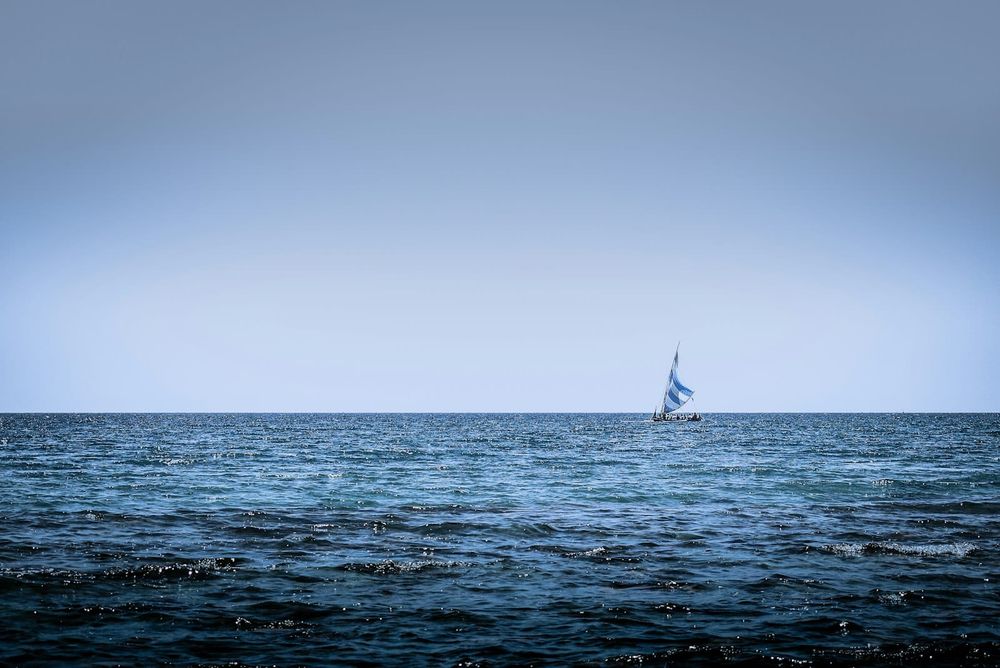
The 2026 RORC Transatlantic Race entry list is closing this summer for the January start in Lanzarote, and if you're seriously thinking about it, the prep window is now, not October. Three thousand miles from Marina Lanzarote to Camper & Nicholsons Port Louis in Grenada is a fundamentally different problem than the ARC, the Atlantic Rally, or any rally with a daily fleet check-in. Twenty-plus boats, no rolling start, no support boats, and a fleet that ranges from two-handed Class40s to fully crewed maxis all racing the same weather window.
The boat needs to be a race boat for 18 days
The single biggest difference between an ARC boat and a RORC Transatlantic boat is that the latter is being driven hard for the duration. That changes what breaks. Plan for it.
Standing rigging gets hammered on a 1,600-mile reach with the Atlantic swell on the beam. If your rig hasn't been pulled and inspected in the last two seasons, do it before scrutineering. We've watched two boats lose mainsails to mast track failures (one Sparcraft, one Selden) on the 2025 race because the sail track had been cycled hard for years and the joiner had fatigued. A new track is €4,000-€8,000. A new rig is €60,000 plus the retirement.
Steering systems are the next attention item. Wheels are fine; chains are fine; what fails is the quadrant bolt or the autopilot ram mount. Carry a spare ram, a spare quadrant key, and know how to hook up an emergency tiller in the dark in 30 knots. The autopilot will run continuously for 18 days. Don't bring a B&G NAC-2 and expect it to handle a full Atlantic. Step up to a NAC-3 or a Pelagic, oversize the ram, and carry a complete spare belt below.
Weather routing is half the race
The RORC Transatlantic has a routing problem that doesn't exist on the ARC: you're racing in early-to-mid January, which is the heart of the North Atlantic low season. The trades are not a guarantee. In 2024 the leaders went south to 18°N before turning west; in 2023 the rhumb line was viable; in 2022 a low spun off Madeira and forced the smaller boats into a 36-hour close reach in 35 knots.
You need PredictWind Pro or Expedition with the latest GFS and ECMWF, plus an Iridium GO or Certus connection that can pull GRIB files daily without burning a satellite-phone budget on every routing run. The fleet that does well is the fleet that gets the routing decision right at the Madeira gate (whether to go west of the Canaries or south through them) and at the rhumb-line decision around 200 miles out. Both decisions are made on data, not feel.
Two-handed entries: the new pointy end
The Class40 and IRC two-handed fleet has gone from a curiosity to a serious division in the last three editions. If you're entering two-handed, you're sailing a sub-40-foot boat in the same weather as the maxis, with two people who need to sleep. Plan watch systems first, then provisioning, then sails.
The watch system that works for most two-handed crews on this race is 4 on / 4 off during daylight, dropping to 3 on / 3 off at night. That gives roughly 5 to 6 hours of consolidated sleep per person per day, which is enough to make navigation calls without errors creeping in. Don't try to run 6 on / 6 off — by day 8 your decision quality drops off a cliff.
Sail-handling-wise, the boats that finish well two-handed are the ones with hydraulic furling code zeros and an A4 that can be peeled to without going forward. If you're sailing a Class40 with a top-down furler and a bowsprit, you're already in the right setup. If you're sailing an older IRC 40-footer with hank-on poles, plan on being slower in the variable conditions.
What to start doing now
Six month checklist: rig out and inspected, autopilot ram replaced or oversized, life raft in service, EPIRB battery within 18 months of expiry at start date, AIS Class B+ or better, sat comms tested under load, watermaker run for 50+ hours, freezer/fridge worked through a hot week without lid-opening discipline issues, and at least one 500nm offshore passage with the actual race crew. Not a delivery. A passage where you race the boat hard.