Antigua Sailing Week 2026: A Different Ocean on Day 2
The breeze went north and the swell stacked up. Crews who stopped checking GRIBs and started looking out the windows had the better day.
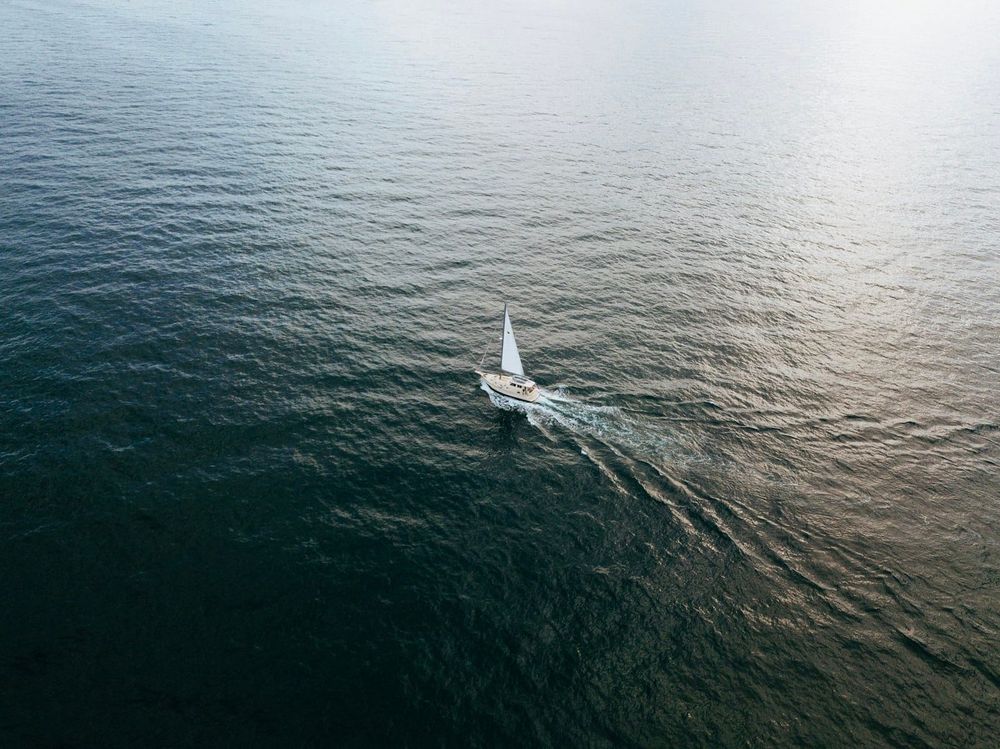
Day 2 of the 2026 Antigua Sailing Week was nothing like Day 1. The trades, which had been settled in their usual east-southeast slot at 14 to 18 knots, swung 50 degrees overnight. By the warning signal off Pillars of Hercules, fleets were beating into a 20-knot northerly with leftover north swell stacking on top of the prevailing easterly chop. Two seas, two periods, two angles of attack. The boats that handled it best were the ones whose crews had stopped trusting yesterday's routing and started reading the actual sea state.
In CSA 1, Pyewacket 70 and Warrior Won had their usual tight scrap, but the day's anomaly was Caro — the Botin 52 sailed by Maximilian Klink — stretching out on the second beat by tucking inside the rhumb line and accepting the bigger waves. The conventional play was to stay east, keep the swell on the bow, and grind. Caro went slightly low and used the wave train as a launch ramp, soaking through the sets rather than punching them. By the windward mark she was 90 seconds ahead corrected.
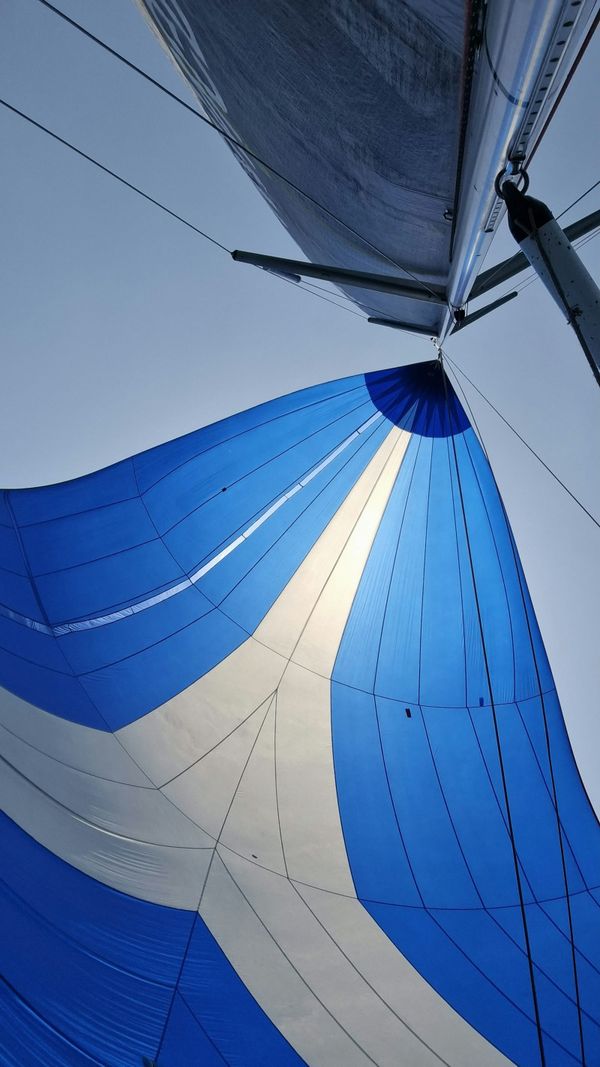
The CSA 4 and 5 fleets had a harder time. Smaller boats off the wind in the leftover swell were rolling 25 degrees gunwale to gunwale even with the kite up. Several crews reported broaches not from gust loads but from rudder ventilation as the boat squatted into the back of a wave. The fix on a 35-foot cruiser-racer is unromantic: smaller chute, more vang, drive the boat through the lulls rather than around them. Not glamorous, but the corrected times tell the story.
What stood out from the dock conversations is how many crews mis-read the swell forecast. The PredictWind output called for 1.8 meters at 9 seconds. The actual sea was closer to 2.4 at 7 seconds with a cross set from the new northerly building underneath. Period matters more than height. A 2-meter wave at 11 seconds is a long, manageable lift; the same height at 7 seconds is a ramp followed by a cliff. If your boat is 38 feet on the waterline and the swell period is shorter than your boat speed in feet, you are surfing into the back of every set.
The race committee made the right call shortening the windward-leeward to a single round when the breeze hit 24 knots. There was talk on shore that they should have abandoned. They should not have. Conditions were physical but inside the design envelope of every boat in the fleet. The shorter course rewarded crews who could nail the start and not lose ground on the first reach — which, given the shifting breeze, was less about boat speed and more about which side of the racecourse they bet on within the first 90 seconds.
Standouts from Day 2: in CSA 6, Caribsail's Bavaria 47 took line honors against three faster-rated boats by sailing the rhumb line and refusing to chase pressure that wasn't there. In the bareboat division, the J Squared crew sailed conservatively, kept their kite up when others doused, and posted the best corrected time in the class by margin. Their tactic was simple: never reach for the next puff, just sail the boat in front of them.
For boats heading north into the Atlantic from here — and several are pointing at Bermuda or the Azores after the regatta finishes Friday — the takeaway is the swell direction more than the breeze. A north swell off the Antigua coast is a normal early-season pattern when a low-pressure system tracks east of Newfoundland. Watching the 500-millibar charts in the next 48 hours will tell you whether the next cell does the same. Anyone planning a passage should add three knots of expected speed-over-ground loss for a head sea before locking in their fuel calculations.
The 2026 Antigua Sailing Week wraps Friday with the around-the-island race. If the gradient stays northerly, expect a fast reach down the south coast and a brutal beat back up along the east. Plan accordingly.