What the New RORC Transatlantic Record Tells Us About Modern Multihulls
A new course record on the RORC Transatlantic isn't just about big numbers. It's about what stability margins look like when the boats keep getting faster.
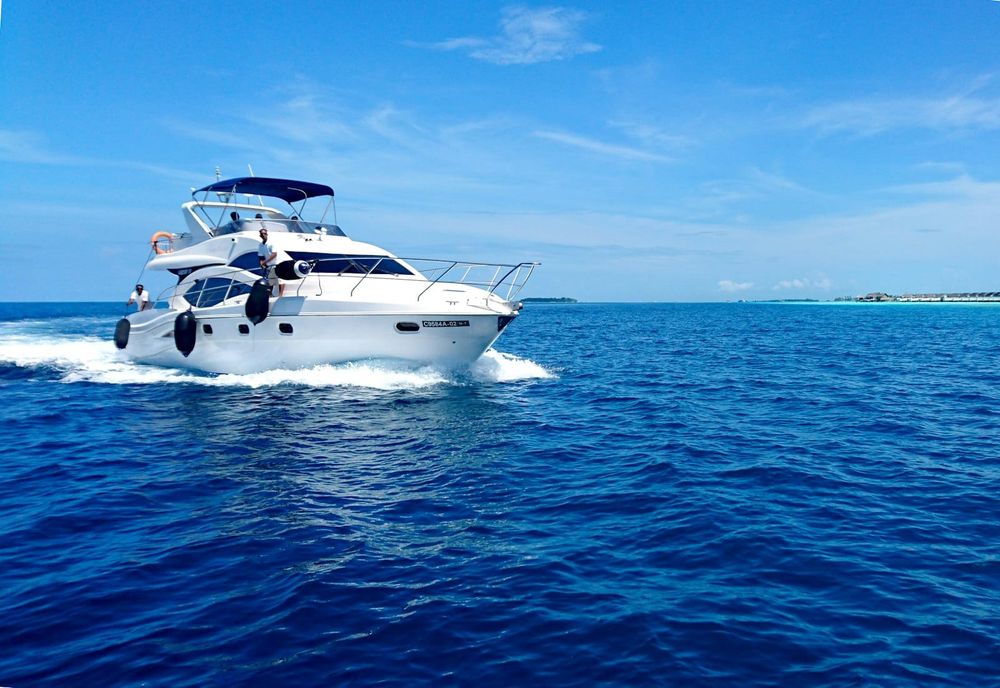
The RORC Transatlantic Race wrapped this week with a new course record on a route that has been raced hard since 2014. The headline number is impressive, but the more interesting story is what the average speed implies about how modern multihulls are sailed downwind in big breeze, and where the design conversation goes from here.
The Lanzarote-to-Grenada route is roughly 3,000 nautical miles, depending on how a navigator threads the trade-wind belt. The previous benchmark was set in conditions that stayed inside 25 knots true for most of the race. The new record was set in a fleet that saw 30 to 35 knots sustained for the middle four days, with squalls into the mid-40s. Boats averaging more than 20 knots VMG over a leg that long are operating in a regime that didn't exist on the design board 15 years ago.
The interesting design number isn't top speed — these boats can crack 35 knots under the right gust on the right wave — it's how narrow the band is between fast-and-comfortable and fast-and-broken. The new generation of MOD70-derived trimarans and the larger Ultim-influenced platforms have float volumes that let them carry more sail longer, but the loads at 25 knots boatspeed scale roughly with the cube of velocity. A bowsprit fitting that survives 18 knots forever might fail at 25 knots inside a single watch.
Three things stood out in the post-race debriefs. First, route choice was conservative. The fastest boats took a southerly track that added distance but kept them in steady 25-to-30-knot pressure rather than diving into the lower-pressure middle, where the squalls were violent and the wind shifts cost time on every gybe. Second, sail crossover was aggressive on the small end. Most crews were carrying their J3 reaching staysail in conditions where, even five years ago, they would have been on their J2. Smaller, flatter, lower aspect ratio for the apparent wind angle the boat is generating at speed. Third, watches were short. Four-on, four-off broke down quickly in the harder conditions; several crews moved to three-on-three-off rotations to keep the helm fresh, because rudder loads at 22 knots boatspeed in a confused sea require active concentration rather than autopilot trim.
For cruising sailors looking at performance multihulls — say a Gunboat 60 or an HH55 — the takeaways are different but real. The first is that the difference between a comfortable downwind ride and a stressful one is not boat speed; it's wave period relative to boat speed. Above 18 knots SOG in a 7-second swell, the boat starts catching up to the back of the waves it just surfed. The fix isn't more sail trim, it's gear: a smaller asymmetric, a flatter spinnaker, and a willingness to run lower angles. The second is that the loads on the rig at 18-plus knots over the ground are not what your old monohull instincts expect. The apparent wind goes forward, the gusts feel less violent, and you stop noticing how much rig load you are carrying. That is the moment to reef.
The record-setting crew sailed conservatively in the most loaded conditions. They reduced sail before squall fronts, ran with the gust rather than reaching across it, and accepted a few minutes of slow speed on the back side of each cell rather than risk a load event in the middle of one. Cumulative speed over 3,000 miles isn't won by sailing fast in 90 percent of the conditions; it's won by not slowing down in the other 10 percent. The new record reinforces what offshore multihull sailors have known for two decades: the boats reward patience much more than they reward courage.
The next platform jump — fully foiling cruising-derived multihulls in the 50-to-60-foot range — is happening on drawing boards now. The performance ceiling is probably another 30 percent up from where this record sits. The structural and human-factors work to make that record-able is harder than the hydrodynamics.