Racing
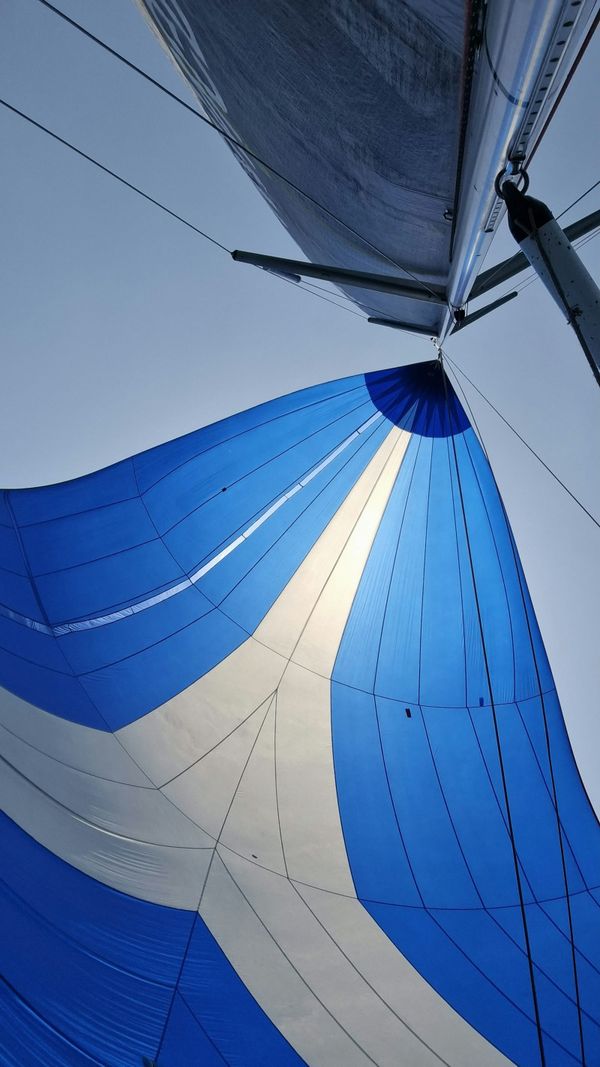
Spinnaker Handling in Heavy Air: When to Keep Flying and When to Drop
The right time to take the kite down is two minutes before you think you should. The wrong time is three minutes after.
The right time to take the kite down is two minutes before you think you should. The wrong time is three minutes after.
Most anchoring failures aren't anchor failures. They are scope failures, ground failures, and the lazy version of a perfectly good technique.
There is no single correct heavy-weather tactic. Picking the wrong one for your boat and sea state is how good crews get into trouble.
Three-on/three-off, four-on/four-off, Swedish system, Pardey four-and-six. They produce very different rest. Here's what works for which crew, with the sleep math attached.
Most anchoring failures aren't anchor failures. They're chain failures, snubber failures, or the wrong-size anchor. Here's the 30-minute audit before your first overnight of the season.
The choice between heaving-to and streaming a drogue isn't preference. It's hull shape, sea state, and where you are in the storm cycle. Here's the working framework.
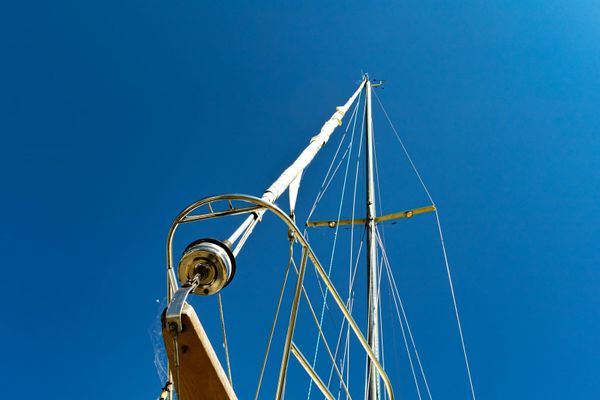
Standing rigging fails in three places: at terminations, at fittings, and where the wire passes through anything that flexes. A good pre-passage survey is not about climbing
Heaving-to is the maneuver most cruisers know exists and most cruisers have never actually performed in 35 knots. It is also the maneuver that, in the right
Most offshore engine failures are fuel failures. Here’s the layered defence cruisers actually run.
Polarised glasses, the right anchor, and a chain-float trick the Tuamotus crowd has been using for decades.
Auxiliary rudder or servo-pendulum? The mechanical difference drives every other tradeoff.
The engine is the single piece of gear on a cruising boat that owners least want to think about and most need to trust. For a passage from