Antigua Sailing Week 2026 Opens With a New Destination Format: Nelson's Dockyard to Green Island
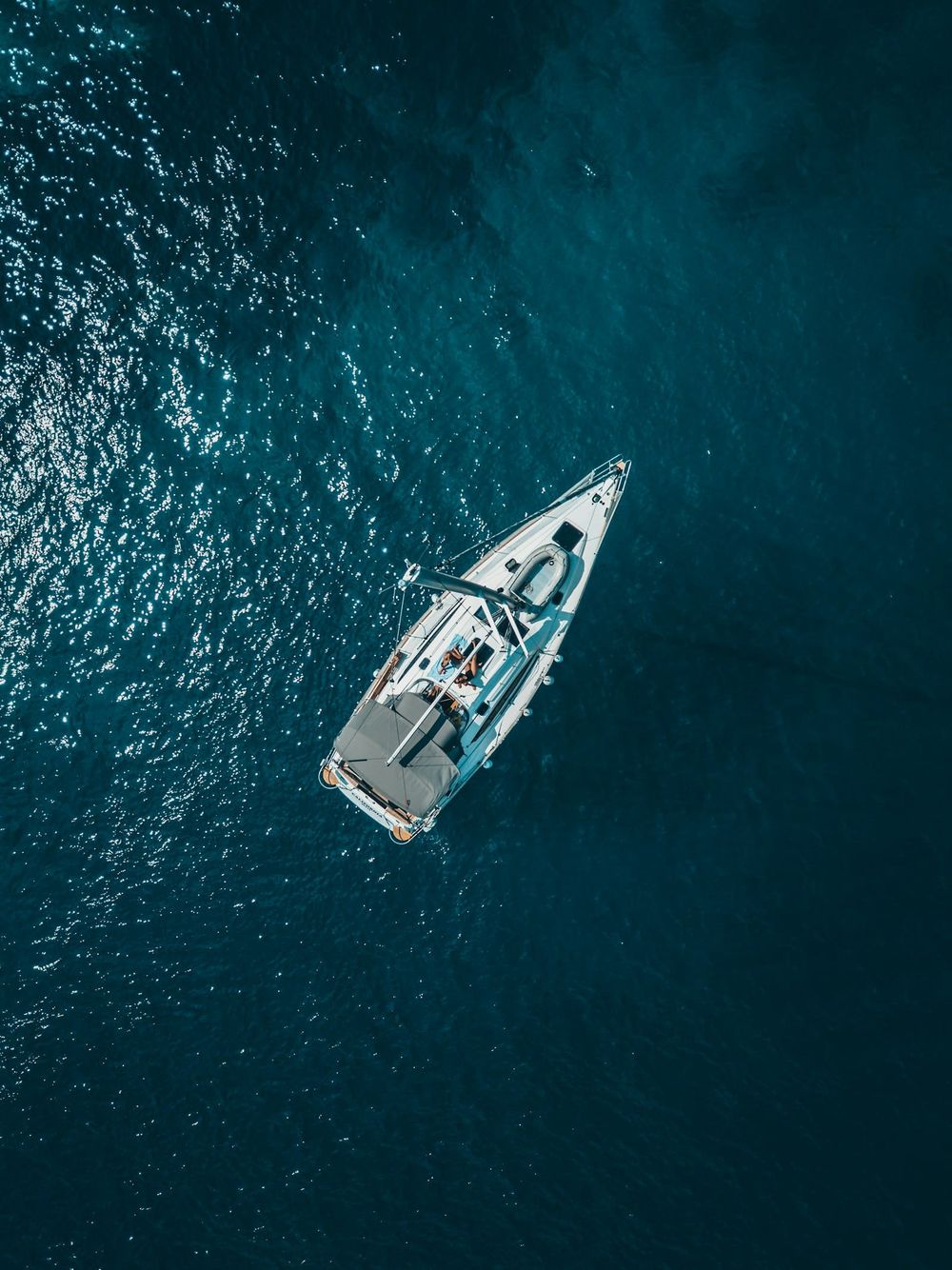
Antigua Sailing Week kicks off this morning in a format the regatta hasn't run before. Instead of the old windward-leeward triangles off Dickenson Bay, the opening day sent the fleet out of Nelson's Dockyard on a destination leg — roughly eight miles around the east coast of the island to an overnight anchorage at Green Island, inside the lee of Nonsuch Bay.
It's a clear signal from the organisers: the 57th edition is leaning back toward the spirit that built the regatta's reputation in the 1970s, when the whole point was sailing to an anchorage, dropping the hook, and picking up the next race off the beach.
For boats already in English Harbour after the Caribbean 600, the Heineken, and the Voiles de Saint-Barth, the early-morning start off the Dockyard flagpole was a gentler opener than the usual first-day distance race. The reaching leg past Indian Creek, Mamora Bay, and Willoughby Bay sat in 14–18 knots of trades, with the odd puff into the low twenties as the fleet cleared Half Moon Bay and turned north toward Green Island. Nothing exotic — but a reminder of why the east coast of Antigua is one of the few Caribbean venues that delivers reliable breeze in reliable directions, year after year.
The CSA fleet split into its usual sub-classes, with the big-boat Racing division dominated by the Swan 58 and Frers-designed maxis that have made English Harbour home for the winter. Performance Cruising entries — a lot of Oysters, Hallbergs, and a couple of Outremers — ran their own start a few minutes later, and the Bareboat division took the final gun. No spinnakers on the first leg; the course angle kept most boats on a tight reach in, with the new-generation Code Zeros doing a lot of the work.
The key change this year is the schedule itself. Antigua Sailing Week has moved away from a fixed set of buoy races at a single base and rebuilt the week around three themes: a destination opener, a mid-week distance race (the 'Around the Island' this Saturday, weather depending), and a final day of short buoy racing back off Dickenson Bay for the classic beach-party finish. Between the race days, the fleet is spread across three anchorages — Falmouth, Green Island, and Jolly Harbour — which spreads the economic impact off the English Harbour axis and gives the crews who've been stacked elbow-to-elbow in Falmouth for a week some breathing room.
There's a practical reason owners are showing up. The reimagined format addresses two things regatta boats have complained about for years: the logistics of running a racing program from a crowded Falmouth dock, and the monotony of waking up in the same place every morning. Moving the fleet around the island gives crews a different sunrise, a different beach bar, and (for the owners) a reason to stay for the full week instead of peeling off to St. Martin on Wednesday.
Weather through Friday looks favourable. The current forecast model runs show the trades holding 14–20 knots ENE for the rest of the week, with a weak upper trough passing Saturday that may soften the breeze for the Around the Island race. If it softens into the low teens, the 600-mile fleet's heavier boats will struggle, and the smaller, lighter entries — the J/109s, Sun Fast 3300s, and a handful of Class40s that snuck in under the CSA pennant — stand to climb up the standings.
A few entries worth watching: Peter Harrison's Farr-designed Sojana is back after a refit, sharpened up for reaching and a favourite in the Racing division over distance. The Pogo 12.50 Aragorn came down from Martinique and is one of the lighter boats on the roster — if Saturday goes light, that's the boat to bet on. In the classic division, the Carriacou sloop Zemi is entered again, and there's a rumoured J-Class dropping in for the awards night.
The sailing itself will come down, as it usually does at Sailing Week, to three things: setting up for the first lay on the Atlantic side (where the current runs hard north), managing the wind acceleration zone off Shirley Heights on the south coast, and not breaking anything — the regatta has always had a higher-than-average retirement rate because crews push tired gear after a season of Caribbean racing.
Daily results are posted on the Yacht Scoring page, and provisional scoring on the CSA handicap is updated most evenings. If you're following remotely, the tracker is the one to keep open — positions at gybe points tell the story better than raw finishing times when every boat is sailing its own optimum angle through the trades.
By Sunday, the fleet will be back in English Harbour for the prize-giving. Whether the new format sticks will come down to owner feedback and whether sponsors see the value in a roving regatta versus the old Falmouth-centric model. The early read is positive: more boats entered than last year, and the waiting list for moorings at Green Island filled within hours of the revised notice of race.
A good week to be in English Harbour. If the trades hold, an even better week to be out of it.