Antigua Sailing Week 2026: What’s Working at the Halfway Mark
Halfway through the 57th Antigua Sailing Week, the four-day destination format is delivering on its rebrand promise — longer legs, real tactical breeze, and standings still wide open.
The 57th Antigua Sailing Week is delivering exactly what the rebrand promised: long, scenic coastal legs, a north swell wrapping into the leeward race courses, and a fleet that's spread out enough to actually see breeze separation matter again. After two days of racing along the south and east coasts, the regatta is sitting at the halfway mark with several classes still wide open going into the final two days.
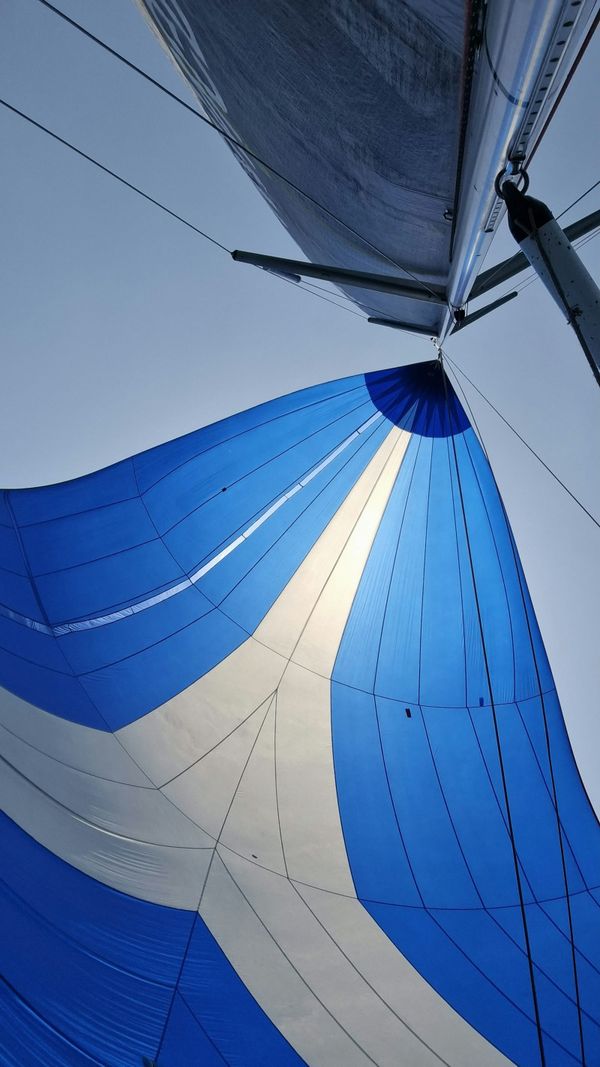
The conditions on Day 2 were the kind that reward boats with the right inventory rather than the biggest crew list. North Atlantic swell of around 1.8 to 2.2 metres met an east-southeast trade settled in at 18 to 22 knots, gusting low 30s in the headlands. The leg from Falmouth around to Green Island favoured boats that could hold a high reach without losing their A3 to the chop, and there were several broaches in the bigger gusts on the last bear-away into Nonsuch Bay.
What the rebrand actually changed
The shift to a four-day destination format has produced longer race legs (40 to 60 nautical miles per day instead of buoy-racing windward-leewards) and that has been the single most popular change with the cruising-style entries. The CSA Racer/Cruiser and Bareboat divisions in particular are seeing more meaningful corrected-time deltas because boats spend longer in different patches of breeze, and tactics-on-tide actually pays again on the coastal stretches.
The flip side: pure inshore racers, especially the IRC 52s and the handful of TP52s in CSA 1, are finding that a single bad sail change at the windward mark of Leg 3 doesn't get recovered by the finish. There's no second beat to claw it back. That's a feature, not a bug — but if you're entered next year and you race a boat that prefers short courses, you'll want to think about your sail crossover ranges before the regatta, not during.
Standings to watch
In CSA 1, the Cookson 50 Privateer has been the form boat — clean transitions in the 22-knot stuff and a willingness to sail deeper VMG angles than the polars suggest. Watch for the morning forecast on Day 3: if the trade backs into the east and softens to 14-16 knots, the lighter-displacement entries will pull back time on the heavier IRC boats.
The Bareboat divisions are doing what the Bareboat divisions always do — racing harder than half the pro crews, with crews on the rail in foul weather gear at 0700 and a podium that won't be settled until the last finish at Pigeon Point. The Sun Odyssey 419 and Beneteau Oceanis 46.1 charters are well-matched on rating, so finishes inside two minutes corrected are normal.
Practical takeaways for next year's entries
If you're considering Antigua Sailing Week 2027, three things from this week are worth filing:
First, the new format rewards boats with a code zero or A3 that can hold a tight reach in 18-plus. The percentage of reaching legs is now closer to 55% than the old 35%. If your inventory is heavy on symmetric kites and a J1, you'll be slow on a third of every race.
Second, anchorages at the rendezvous stops fill up fast. The Green Island and Nonsuch Bay overnighters had boats rafted three deep on Day 1. If you're not on a charter that's part of the rendezvous package, plan to be the first one in or have a backup anchorage two miles further on.
Third, the swell wrapping into Falmouth in late April is real. We saw 0.6m of fetch even inside English Harbour the first night. Crews on smaller boats — anything under 38 feet — should plan to anchor with a snubber and 5:1 minimum, not the usual Caribbean lazy 4:1.
Two days left. The forecast for the final stretch is showing the trade easing slightly with a small frontal shift on the back end, which should compress the leaderboard further. Expect a couple of class trophies to be decided on the last finish.