World ARC 2026 Update: The Fleet Regroups in Tahiti After 8,000 Miles

The World ARC 2026 fleet left Saint Lucia in January on a 26,000-nautical-mile, 15-month circumnavigation, and by mid-April they've put three of the most demanding legs behind them. As the fleet regroups in Tahiti, we're getting the first real performance picture of the class of 2026 — and a few early lessons worth passing along to anyone who's thinking about joining the 2027 start.
Leg One: Saint Lucia to Santa Marta
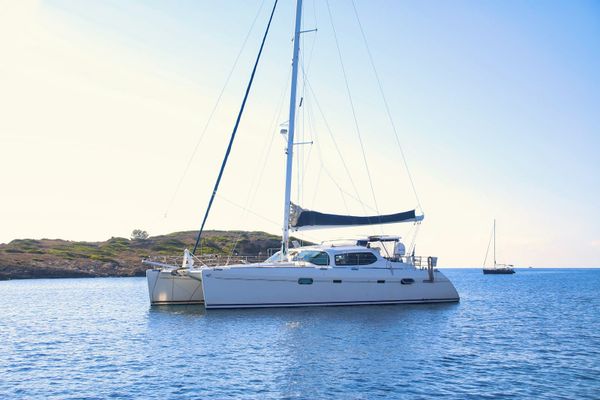
The opener was the easy leg — 720 nautical miles across the Caribbean Sea, reaching under the trades for most of the crossing. The 2026 fleet included a strong multihull contingent with several Outremer 52s and an HH 44 making their first serious passages. Average passage time for monohulls came in at 5 days 11 hours, with the fastest cats clocking under four. No major incidents, though three boats reported alternator failures in the first week — a reminder that pre-departure charging system checks are non-negotiable.
The Panama Canal and Galapagos Stopover
Transit through the Panama Canal went smoothly in early February. Several crews praised the updated line-handler requirements and the smoother booking process managed through the rally organization. The Galapagos leg remained one of the rally's scenic highlights — anchorages in Puerto Ayora and San Cristobal have tightened their rules on waste and anchor gear again this year, and crews who didn't arrive with certified treated black water tanks paid steep holding-tank pumping fees.
The Pacific Crossing — 3,000 Miles to the Marquesas
This is the leg that separates serious bluewater cruisers from weekend sailors, and the 2026 crossing delivered the textbook experience: three days of unsettled weather leaving Galapagos, then a long period of steady 15-20 knot easterlies once the fleet cleared the ITCZ. The Marquesas landfalls started showing up in mid-March, with the fastest passages under 20 days and the most leisurely crews taking close to 28.
Lessons from the 2026 fleet's Pacific crossing: watermakers are worth every penny — the crews running the Spectra Ventura 200T and Rainman portable units reported zero fresh water stress. By contrast, two boats relying on carried water ran tight by day 18 and had to ration showers. Gooseneck and boom vang hardware took a beating on the boats that flew spinnakers continuously; several crews reported blown-out tack fittings and one parted bobstay on an aluminum A3.
Tahiti Regroup and Fleet Stats
As of this week, most of the fleet is anchored between Papeete and Moorea, doing essential repairs and restocking before the Tuamotus, Cooks, and Tonga legs. A survey run by the rally office at the Tahiti regroup showed average fuel consumption for motor-sailing miles was 1.8 liters per engine hour for boats under 45 feet — higher than many expected, a function of more ITCZ motoring than forecast.
Two boats have withdrawn from the rally so far: one after a keel joint issue discovered in the Galapagos haul-out, and one after a medical evacuation from Nuku Hiva. Both crews have stated they intend to resume cruising on their own once repairs and recovery are complete.
What the 2026 Fleet Is Telling Us
Three themes are emerging from the 2026 cohort. First, lithium-ion house banks are now the overwhelming majority — roughly 70% of the fleet, up from 45% in 2024. The few boats still running flooded lead-acid are already planning replacements. Second, Starlink Mini is now essentially universal. Every rally crew is running it, and the older Iridium Go and Globalstar setups have been relegated to backup role. Third, the multihull share continues to climb and is approaching 40% of the fleet.
Looking Ahead
The fleet leaves French Polynesia in May for the Cooks, Tonga, and Fiji. By late July they'll be crossing to Vanuatu and Australia. Follow the fleet's live tracker through the World Cruising Club site and watch for the WCC's webinars — the crew-led Q&A sessions from the Tahiti regroup are typically the most useful content any prospective circumnavigator can consume.