Antigua Bermuda Race 2026 Returns: The Springtime Offshore Classic Is Back
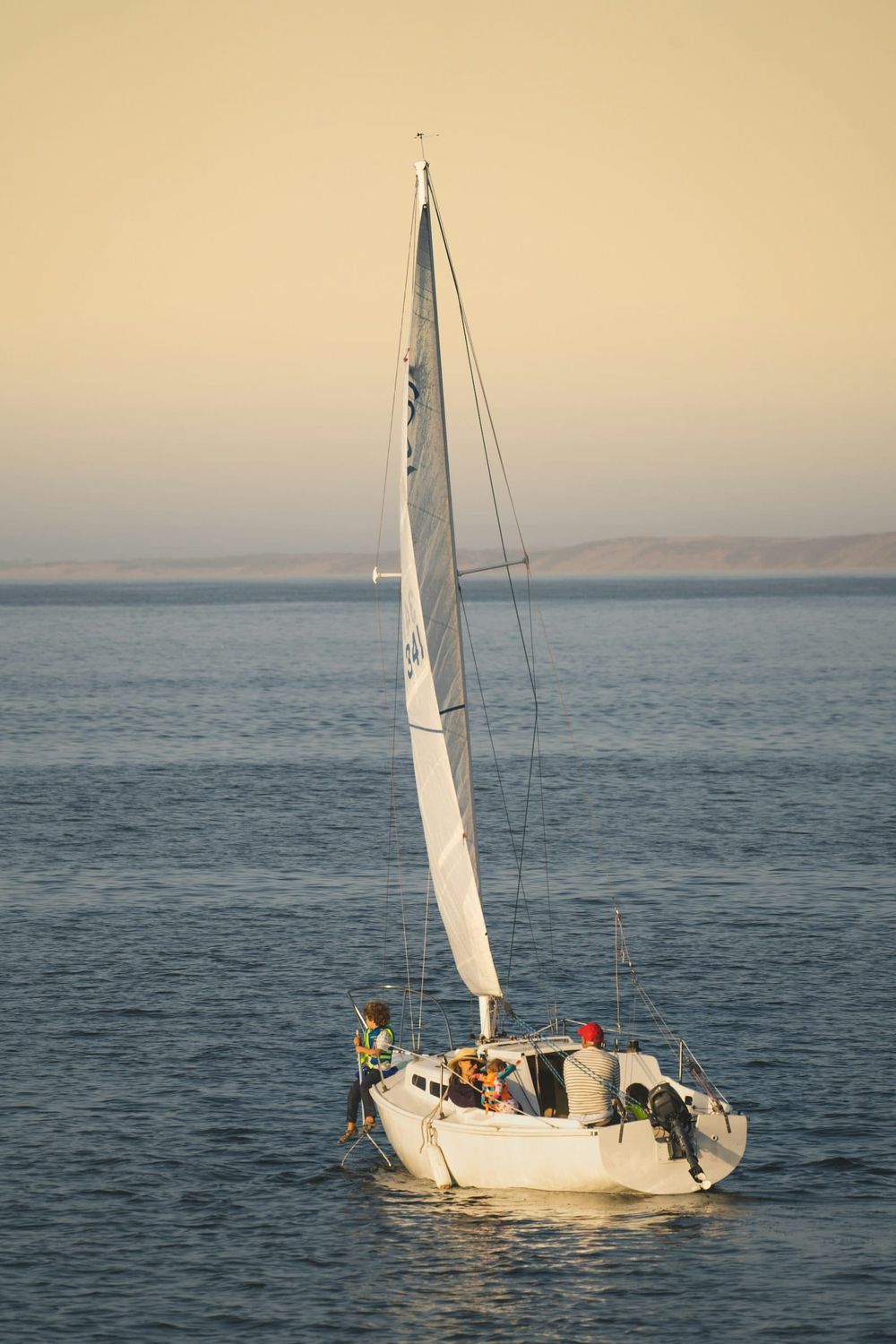
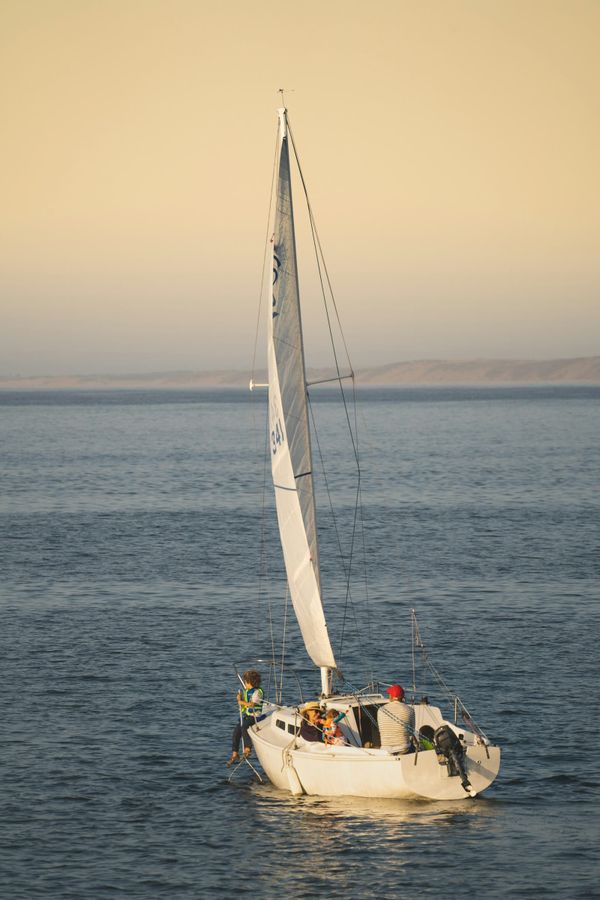
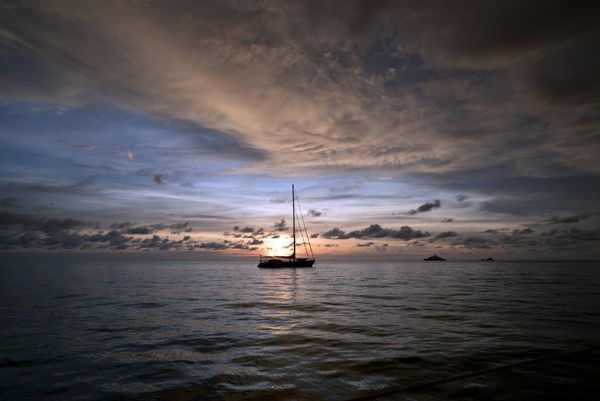
After a two-year pause, the Antigua Bermuda Race is back on the calendar — and it returns with the kind of restless enthusiasm you hear in a crew prepping for a hard beat to weather. The 935-nautical-mile sprint starts April 29, 2026, off English Harbour, pointing bows north-northeast toward St. David's Light. For offshore sailors looking for a genuine springtime passage with a competitive edge, this race has quietly grown into one of the Caribbean's signature bluewater events.
Why This Race Deserves Your Attention
Unlike the Newport-Bermuda, which funnels boats into the Gulf Stream from cooler northern latitudes, the Antigua Bermuda Race begins in the reliable easterly trades and works through the transitional band north of the Antilles, often encountering squally frontal passages once crews reach 25°N. It's a course that rewards boats capable of both heavy-air reaching and lighter, shifty upwind work — a true test of rig setup and sail inventory.
The 2026 return sees the race organized jointly with the Antigua Yacht Club and the Royal Bermuda Yacht Club, with IRC, CSA, and double-handed divisions, plus a cruising class for crews looking to make the passage without the pressure of rating certificates.
Passage Weather: What to Expect
Late April in the northwest Caribbean typically brings 15-22 knots of east-southeast trades for the first two days out of Antigua. By day three, as crews cross roughly 23°N, the breeze usually veers southeast and softens. The classic challenge comes in the final 300 miles: the so-called "Bermuda High" sits to the north, often creating a doldrum band between the trades and the prevailing westerlies. Clever navigators work the western edge of the high, trading extra distance for pressure.
Squalls are common in the transition zone. Any offshore crew should arrive with a working reef in the main before nightfall on day two — a lesson learned the hard way in 2019 when multiple boats blew out kites in 35-knot squalls.
Preparing Your Boat
The race requires ISAF Category 1 offshore safety compliance. Key checks include:
- Liferaft servicing — inspection stickers must be current within 12 months of the start
- EPIRB registration — a surprising number of first-timers forget to update owner/vessel contact details with NOAA
- Jackline routing — webbing jacklines run inboard, not along toe rails, to keep tethered crew on deck rather than dragging alongside
- Storm trysail and storm jib — must be rigged and fit-checked before the start
Double-handed entrants should pay particular attention to autopilot redundancy. A B&G H5000 or Raymarine Evolution with a dedicated drive unit is the baseline; a backup tiller pilot that can steer downwind is worth its weight in lead.
Provisioning and Watch Systems
For a five- to seven-day run, the classic Swan-style provisioning approach still works: pre-cooked, vacuum-sealed meals stored in the coldest part of the bilge, with hot ready-meals for off-watches. Most competitive crews use a four-hour-on, four-hour-off watch through the night and longer dog watches during the day to keep morale up.
Looking Ahead
The race fits beautifully into the broader transatlantic calendar. Many crews will carry on from Bermuda to the Azores with the ARC Europe in May, completing a genuine spring-season Atlantic circuit. For boats still making their way north after a Caribbean winter, this is the race that turns a delivery into an adventure — and reminds everyone why offshore sailing earns its place alongside the great ocean challenges.