When the Nearest Doctor Is a Thousand Miles Away

Five days into a Pacific crossing, your crew member develops a throbbing toothache that's getting worse by the hour. The nearest dentist is a thousand miles away. What do you do? This scenario—and dozens like it—plays out on bluewater boats every season. The difference between a manageable inconvenience and a full-blown emergency often comes down to preparation: the medical kit you carry, the training you've done, and whether you have a way to reach professional medical advice from mid-ocean.
The Offshore Medical Kit: Beyond Band-Aids
A coastal first-aid kit and an offshore medical kit are entirely different animals. Coastal sailing assumes you can reach professional care within hours. Offshore, you may be the sole medical provider for your crew for days or even weeks. Your kit needs to reflect that reality.
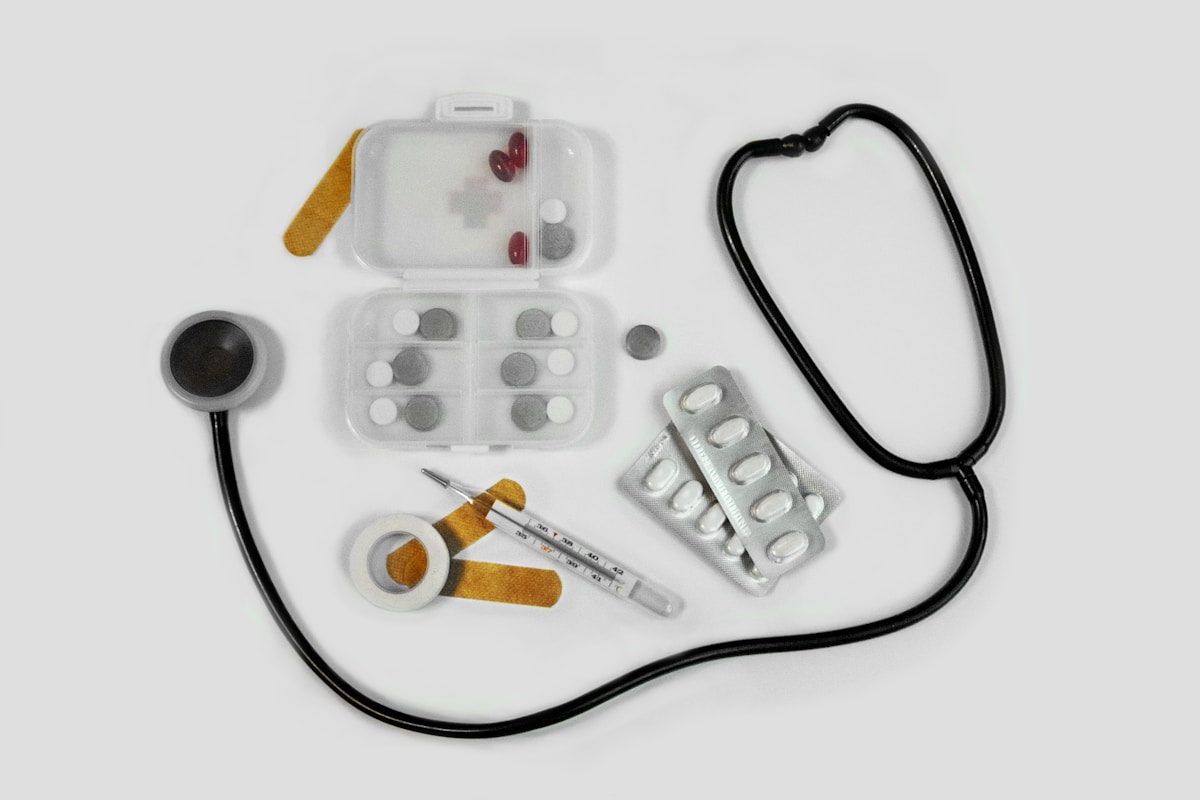
At minimum, a bluewater medical kit should include prescription antibiotics covering a range of infections (dental, skin, urinary, respiratory), strong analgesics for pain management, injectable epinephrine for severe allergic reactions, wound closure supplies (sutures, staples, or adhesive strips), splinting materials for fractures and dislocations, a comprehensive selection of dressings and bandages, and medications for common offshore ailments including seasickness, gastrointestinal issues, and skin infections.
Building this kit requires working with a doctor who understands the offshore environment. Services like Medical Support Offshore (MSOS) and Tether Medical now offer prescription medical kits specifically designed for ocean passages, with medications selected and dosed for the lay medical provider. These aren't cheap—expect to pay upward of $500 for a well-stocked kit—but the alternative is facing a serious medical situation with nothing but paracetamol and wishful thinking.
Telemedicine: A Doctor on Call at Sea
The single biggest advancement in offshore medical care over the past decade has been telemedicine. Services like MSOS, MedAire, and Tether Medical connect you with experienced emergency physicians via satellite phone or email, twenty-four hours a day, from anywhere on the planet. These aren't general practitioners reading from a textbook—they're doctors with specific training in remote and maritime medicine who can walk you through procedures, adjust medication dosages, and help you make critical decisions about whether to divert.

Annual subscriptions typically run between $500 and $3,500, depending on the level of service and whether a custom medical kit is included. That might sound steep until you're two hundred miles from the nearest landfall with a crew member showing signs of appendicitis. Having a physician on the other end of your sat phone, guiding you through an assessment and helping you decide whether to alter course, is worth every penny.
Many telemedicine providers also offer pre-voyage consultations, reviewing your crew's medical histories and ensuring your kit is tailored to their specific needs—especially important if anyone aboard takes regular medications or has known allergies.
Training: The Most Important Item in Your Kit
The best-stocked medical kit in the world is useless if nobody aboard knows how to use it. Before any extended offshore passage, at least two crew members should complete a recognised maritime first-aid course. Programs like the RYA/World Sailing Offshore Medical course, STCW medical training, or wilderness first-responder courses teach the hands-on skills you'll need: wound closure, fracture management, IV fluid administration, and the systematic assessment of an injured or ill patient.

Practice doesn't stop at the course certificate. Run through medical scenarios during your pre-passage preparations. Can you find the suture kit in the dark? Do you know the correct antibiotic for a dental abscess without looking it up? Can you splint a forearm fracture while the boat is heeled at twenty degrees? The time to figure these things out is at the dock, not in a Force 7.
Seasickness: The Most Common Offshore Ailment
No article on health at sea would be complete without addressing the elephant in the cockpit. Seasickness affects even experienced sailors, particularly in the first 48 hours of a passage before the body adapts. Left unmanaged, it leads to dehydration, exhaustion, and crew members who can't stand watch—a safety issue for the entire boat.
Prevention starts before you leave the dock. Begin medication 24 hours before departure—not after symptoms start, when it's often too late. Scopolamine patches, cinnarizine (Stugeron), and promethazine are the most commonly used prescription options. Ginger supplements and acupressure bands work for some sailors as complementary approaches. Stay hydrated, avoid alcohol in the days before departure, get plenty of sleep, and eat light, bland meals during the first days at sea.

On passage, keep affected crew members in the cockpit with a view of the horizon, assign them helm time when possible (steering actively reduces symptoms), and ensure they stay fed and hydrated even when they don't feel like eating. Dry crackers, ginger biscuits, and small sips of water are better than nothing. Most people adapt within two to three days—the trick is managing the symptoms well enough to get through that adjustment period safely.
Physical Fitness and Passage Preparation
Ocean sailing is physically demanding in ways that catch people off guard. Hauling sails, grinding winches, bracing against the motion of the boat, and maintaining alertness through night watches all require a baseline level of fitness that's worth cultivating before departure. You don't need to be an athlete, but spending a few months building core strength, cardiovascular endurance, and grip strength will pay dividends on passage.
Equally important is arriving at your departure port well-rested and healthy. The temptation to spend the final nights ashore socialising and provisioning until midnight is strong, but starting a passage sleep-deprived and dehydrated is setting yourself up for problems. Treat the last 48 hours before departure like a pre-race taper: eat well, hydrate aggressively, and get as much sleep as you can bank. Your body will thank you on Day Three when the watches start to bite.