Whale Speed Zones, Hull Rules, and What Cruisers Need to Know in 2026
If you cruise the U.S. East Coast or plan to transit it on your way north this spring, pay attention: NOAA is reconsidering the vessel speed rules designed to protect North Atlantic right whales, and the outcome matters to bluewater sailors more than you might think. At the same time, the IMO's revised biofouling guidelines are reshaping how every cruising boat needs to think about what grows on its bottom. Here is what you need to know heading into the 2026 season.
NOAA's Right Whale Speed Rules: What's Changing
Since 2008, vessels 65 feet or longer have been required to slow to 10 knots when transiting Seasonal Management Areas along the U.S. East Coast during periods when right whales are expected to be present. These zones stretch from New England south to Florida and are active at different times of year depending on the whales' migration patterns.
In March 2026, NOAA published an Advance Notice of Proposed Rulemaking seeking public comment on modernising these speed restrictions. The agency is exploring whether current seasonal zones could be replaced with dynamic management areas informed by real-time whale sighting data and technology-based strike-avoidance measures. Comments are due by June 2, 2026.
For cruising sailors, there are several practical angles here. The current 65-foot threshold means most sailing yachts are technically exempt from mandatory speed restrictions, but that does not mean the issue is irrelevant. NOAA is specifically seeking data on whether the vessel size threshold should be changed, and environmental groups have long argued it should be lowered. If you sail a vessel anywhere near that threshold — say a 55- to 70-foot bluewater cruiser — the outcome of this rulemaking could directly affect your passage planning along the Eastern Seaboard.
What Cruisers Should Do Now
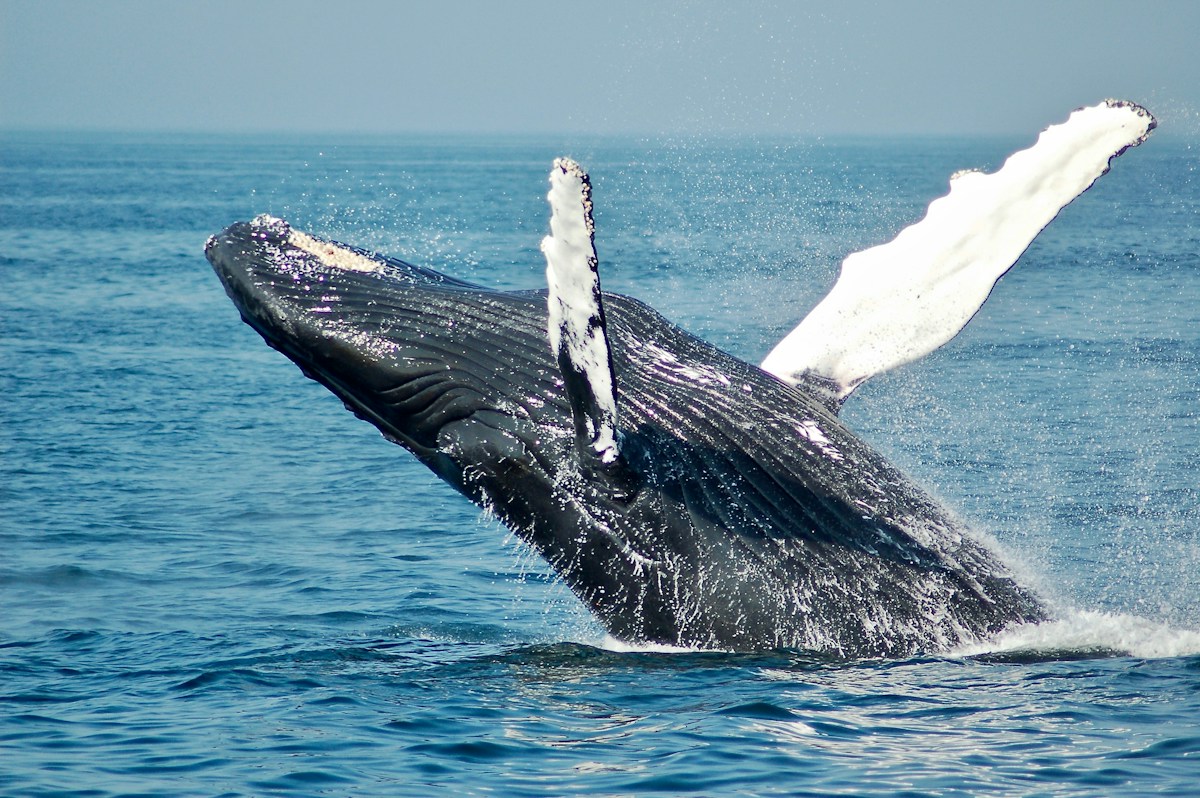
Regardless of where the regulations land, responsible seamanship demands awareness. Right whales are among the most endangered large animals on the planet, with fewer than 350 individuals remaining. Vessel strikes and fishing gear entanglement are the two leading causes of death, and both are entirely preventable.
When transiting known right whale habitat — particularly between November and April in the southeastern U.S. and between March and July in the northeast — maintain a sharp visual watch, reduce speed in reduced visibility, and check NOAA's Right Whale Speed Zone Dashboard for active slow zones and dynamic management areas. These are voluntary for vessels under 65 feet, but they represent good seamanship and basic respect for the marine environment we all depend on.
Biofouling Rules Are Tightening Worldwide
Meanwhile, the regulatory environment around what you put on your hull — and what grows on it — continues to evolve. The IMO's revised 2023 Guidelines for the Control and Management of Ships' Biofouling took three years to develop and now provide a globally consistent framework for biofouling management. While these guidelines are technically non-binding at the international level, they are increasingly being adopted as the baseline for national regulations in key cruising destinations.
Australia, New Zealand, and California already enforce mandatory biofouling regulations that can result in vessels being denied entry or ordered to haul out for cleaning at the owner's expense. Any cruiser planning a Pacific crossing or a transit of the U.S. West Coast needs to take hull cleanliness seriously — not just as a performance issue, but as a clearance requirement.
The trend is clearly toward stricter enforcement and broader adoption. Copper-based antifouling paints remain the most common choice for cruising boats, but newer alternatives are gaining ground. Silicone-based foul-release coatings, which create a surface so slippery that organisms cannot attach, are now viable for slower-moving sailboats. Nano-coatings represent the next generation. For cruisers planning extended voyages, the choice of bottom paint is no longer just about keeping the boat fast — it is about ensuring you can clear into your next port.
The Bigger Picture
These two issues — whale protection and biofouling management — might seem unrelated, but they share a common thread. The oceans we sail on are under unprecedented pressure, and the regulatory response is accelerating. Cruisers who stay ahead of these changes will find their passage planning smoother and their port entries less stressful. Those who ignore them risk unpleasant surprises.
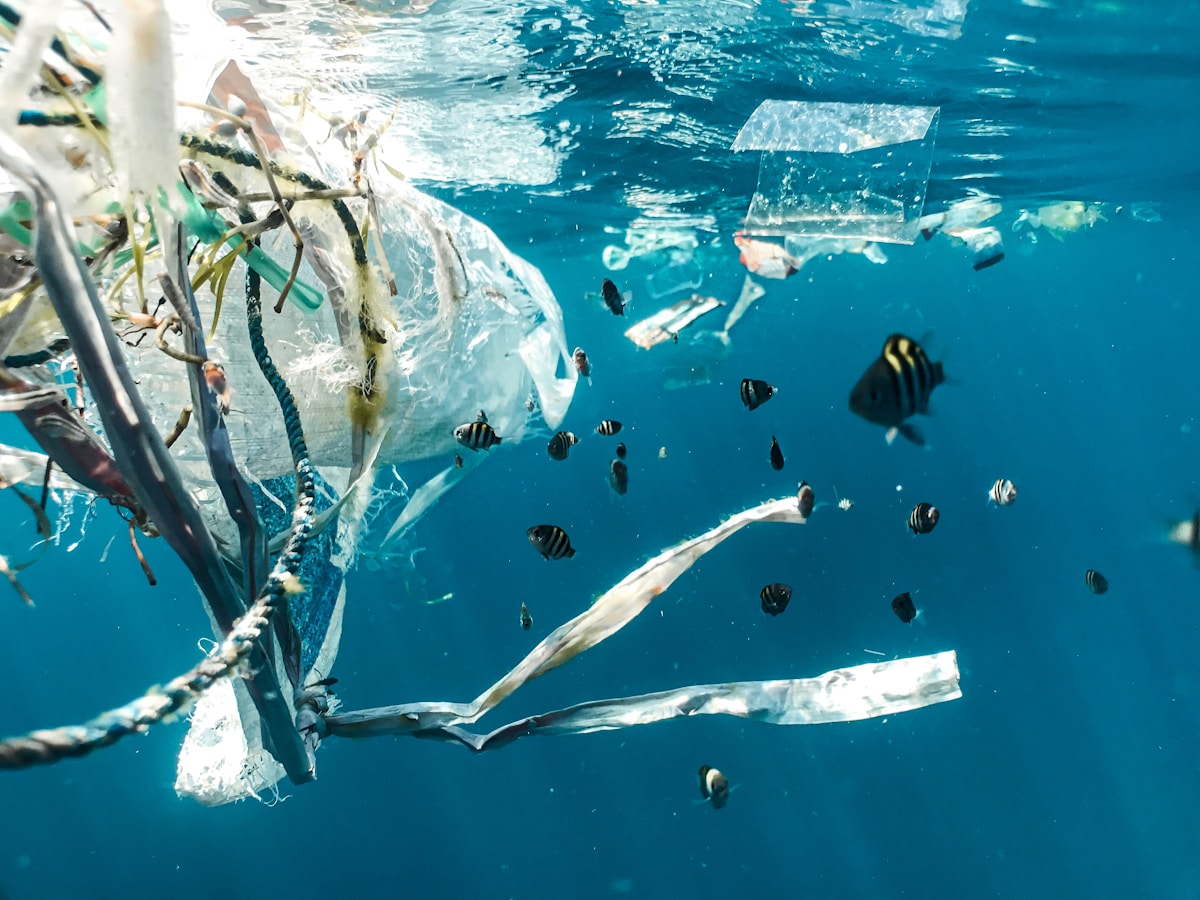
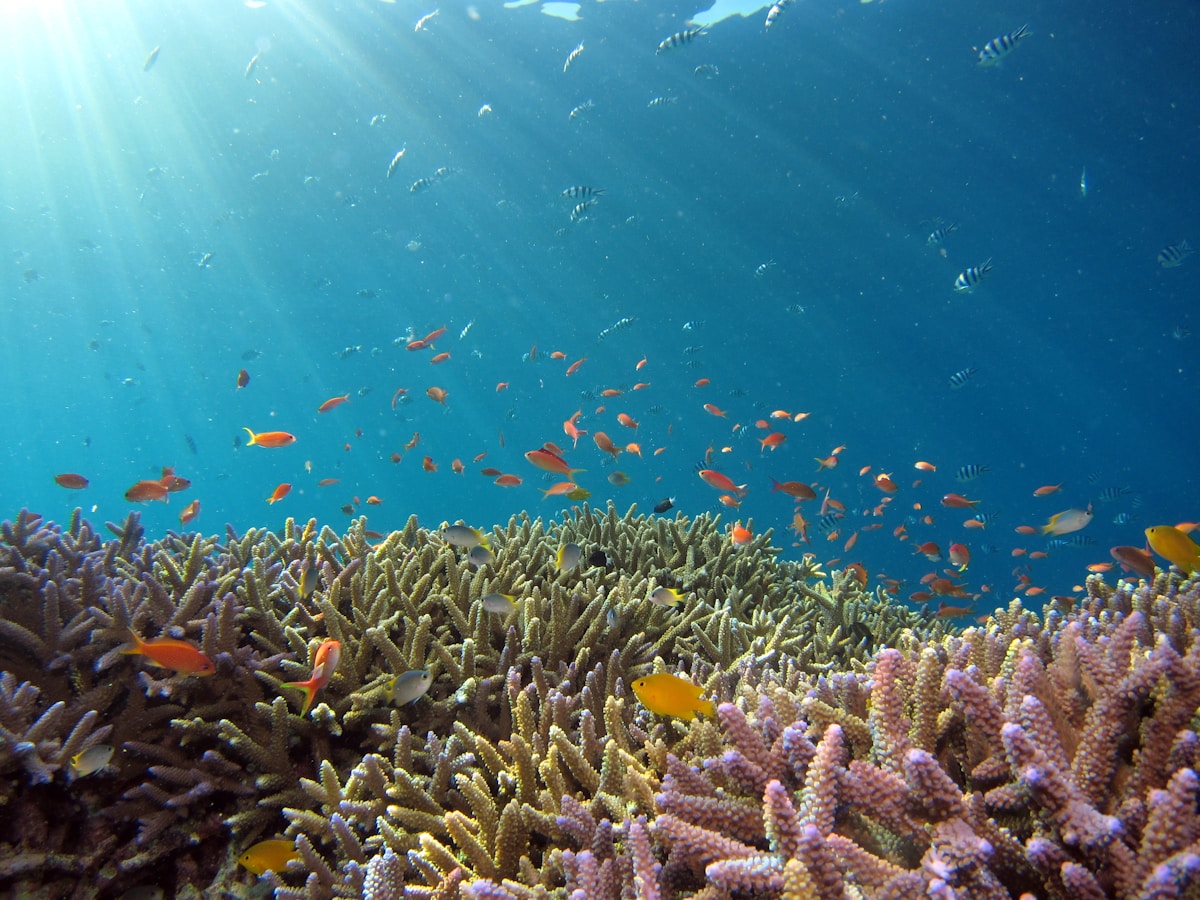
More importantly, as sailors we have a unique relationship with the marine environment. We see the whales, the coral, the plastic, and the changing conditions firsthand. Taking these regulations seriously is not just about compliance — it is about being the kind of sailors the ocean deserves.