Slingsby's Roos Are Running Away With SailGP — Bermuda Is Where Anyone Can Stop Them
After winning Rio, the BONDS Flying Roos sit on 35 points after four events. Bermuda's narrow Great Sound has flipped the script before — here's what to watch May 9–10.
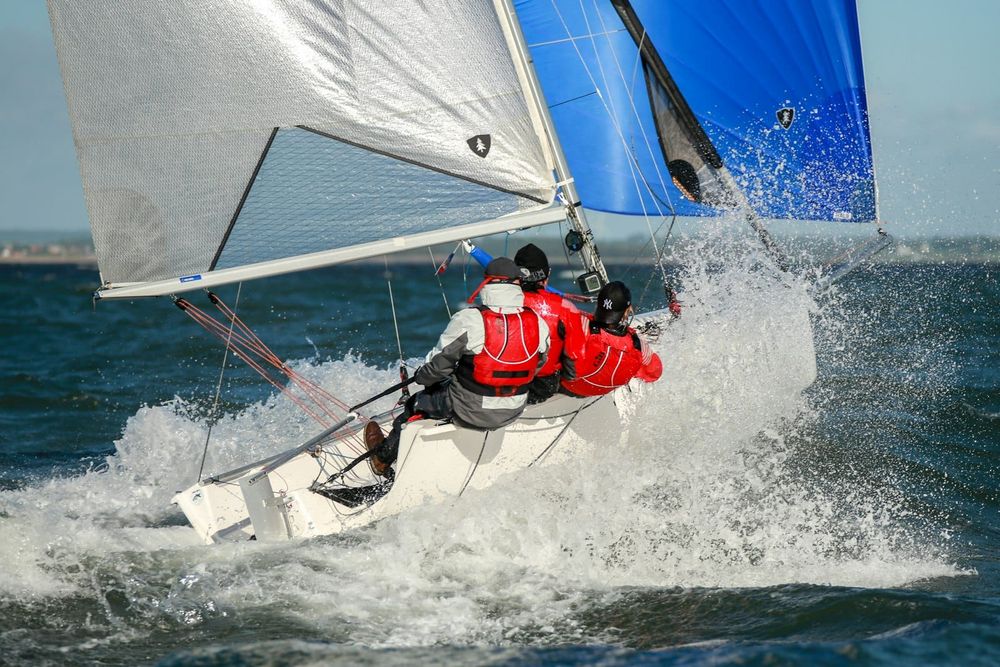
The BONDS Flying Roos turned the inaugural Enel Rio Sail Grand Prix into a clinic. Tom Slingsby won every fleet race on Saturday and then iced the final, putting Australia on 35 points after four of thirteen events. Great Britain (Dylan Fletcher) sits second on 28, the U.S. (Taylor Canfield) third on 27, Spain (Diego Botin) fourth on 25, and Outteridge's Artemis fifth on 23 — their first event final, third on the podium behind Los Gallos in Rio.
That's a real points spread. Seven points between first and fifth across four events isn't a runaway — it's a working lead. But Slingsby's pattern is the more interesting story. He's not just winning the start; he's winning the second beat. In Rio he repeatedly stretched a small lead into a comfortable one by getting the first puff right after the bottom mark and converting on the bear-away. When you have the pace to extend on the long legs, you don't need the perfect start — you just need to be in the front pack and let your numbers do the talking.
Why Bermuda is the great equalizer
The Apex Group Bermuda Sail Grand Prix runs May 9–10 on the Great Sound, and that course has been a punisher of fleet leaders since the F50s arrived in 2021. The Sound is short. The course is narrow. The breeze comes around the headlands in shifty 6–8-knot lifts and 14–16-knot puffs, and there's no real corner play — every leg is a parade or a passing zone depending on where the next pressure lands.
The teams that historically do well here aren't necessarily the fastest in a straight line. They're the ones who minimize gybes, hold lanes through the pack, and stay foiling on the light-air bottom marks. Botín's Spain has been quietly excellent at low-mode foiling. Canfield's U.S. team has been sharpening their bear-away after a rocky 2025 — they had two foiling-touchdowns in Rio that cost them a podium, and they'll have spent the off-week drilling exits.
What to actually watch
Three things, in order of importance:
1. Light-air takeoff. If breeze drops below 8 knots true, you'll see boats running displacement-mode reaches. The crews who can power up the foils first own the start line. Watch the Roos and the Brits — both have their tuning sorted for the light end.
2. Botín on starboard. Spain leans heavily on the starboard-tack approach to the start. Bermuda's prevailing southwesterly favors that, but the committee can shift the line and force a port-tack approach. Botín's been weak on the port-end exit; he was forced wide twice in Rio.
3. Artemis's gear change. Outteridge has been building. Third in Rio was the breakthrough. If they can replicate that in Bermuda — different conditions, different course — the season's top three is genuinely unsettled.
The standings, with context
13 events, 4 done. There are still 9 weekends of racing on the calendar, including Auckland (December), Cádiz (October), and the Grand Final in Abu Dhabi (March 2027). A bad Bermuda for Australia isn't fatal — but a Bermuda win for Spain or the U.S. closes the gap to under five points. That changes the math on which teams qualify for the season-end final, where a single race decides the championship.
If you're betting, the Roos are still the call. But if you're watching for a story, watch the second beat in race three on Sunday. That's where Bermuda usually decides who actually has the speed to chase Slingsby.
The Apex Group Bermuda Sail Grand Prix runs May 9–10. Live coverage on SailGP's app and select broadcasters worldwide.