Grenada to the Grenadines: The Southern Caribbean's Quieter Side
South of St. Vincent, below the charter-boat highway, the island chain takes a breath. Grenada and the Grenadines offer bluewater cruisers something increasingly rare in the Caribbean: anchorages where you can still swing on the hook without rafting up, shoreside communities that genuinely welcome sailors, and waters so clear the bottom looks painted on.
Starting in Grenada: The Spice Island Welcome

Most cruisers arriving from the south make landfall at Prickly Bay or Mount Hartman Bay on Grenada's southern coast. Both offer good holding in sand, reasonable protection from the prevailing easterlies, and easy dinghy access to provisioning. Prickly Bay has the livelier scene—a handful of waterfront bars, a well-stocked chandlery, and a boatyard that can handle anything from a bottom job to a full refit. Mount Hartman is quieter, tucked into mangroves, and suits crews who prefer to hear tree frogs rather than reggae after dark.
St. George's, the capital, deserves a day or two at anchor. The Carenage—the inner harbour—is one of the most photogenic ports in the Caribbean, ringed by Georgian warehouses and brightly painted homes climbing the hillside above. Customs and immigration are straightforward here, and the Saturday morning market at the foot of the harbour is the best provisioning stop on the island. Load up on nutmeg, cinnamon, turmeric, fresh cocoa, and whatever fruit is in season. Grenada earns its "Spice Island" nickname at every turn.
Carriacou: The Boatbuilder's Island

The 60-mile passage from Grenada's north coast to Carriacou is an easy day sail on a beam reach in the trades. Tyrell Bay on the western side is the main anchorage, and it has everything a cruiser needs: good holding in sand at three to five metres, a small marina with haul-out facilities, a surprisingly well-stocked supermarket, laundry service, and several bars that host live music through the week. The cruiser community here is tight-knit and welcoming—within a day you will know the regulars on the VHF net.
Carriacou has a deep boatbuilding tradition. The island's sloops, built by eye from white cedar without plans, still race in the annual Carriacou Regatta each August. If your visit coincides, do not miss it. The racing is exuberant, the rum flows freely, and the whole island turns out to cheer.
The Tobago Cays: The Crown Jewel
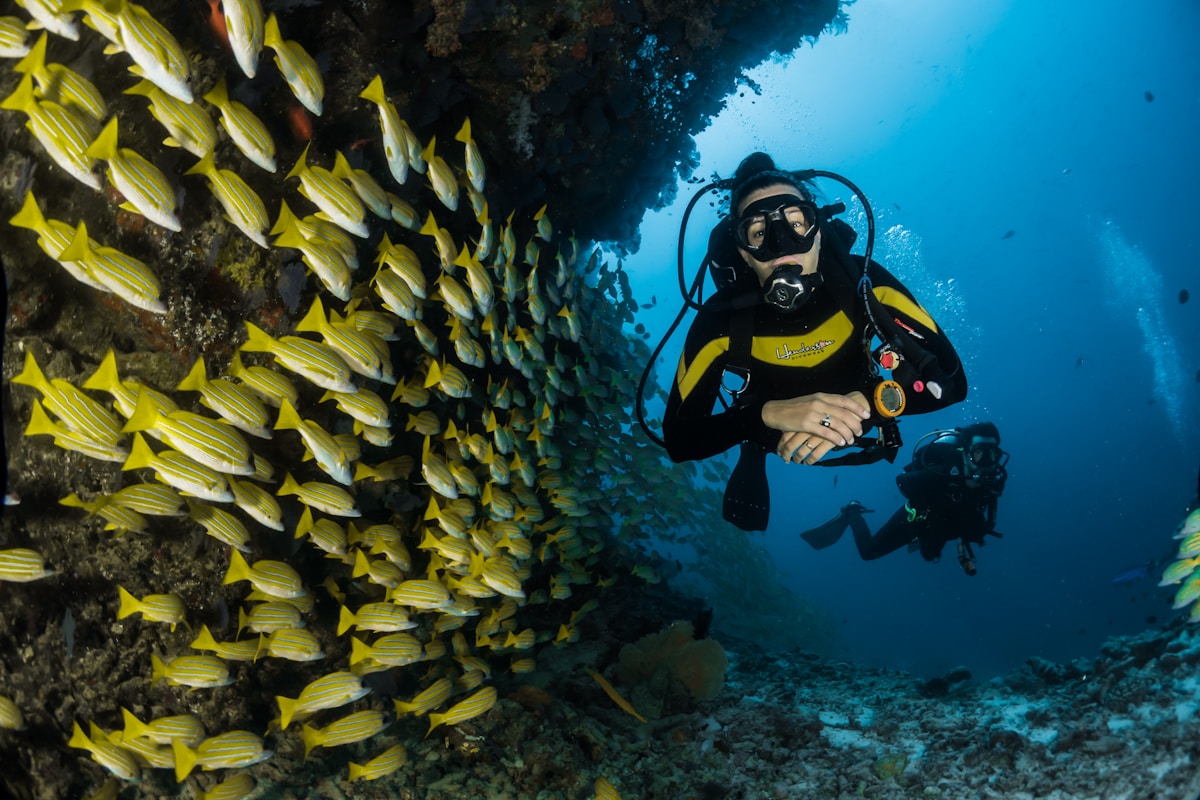
No cruise through these waters is complete without a stop at the Tobago Cays Marine Park. Five uninhabited islands inside a horseshoe reef create a natural swimming pool of turquoise water so vivid it looks artificial. Anchor in sand behind the reef, set a stern line if the wind pipes up, and prepare for some of the best snorkelling in the eastern Caribbean. Hawksbill turtles graze on the sea grass, rays patrol the shallows, and reef fish swarm every coral head.
The park is managed and there is a modest fee collected by rangers who patrol by boat. Spearfishing and shell collecting are prohibited, and the rules are enforced—rightly so. This is conservation that works, and cruisers should support it.
Mayreau and the Quiet Stops
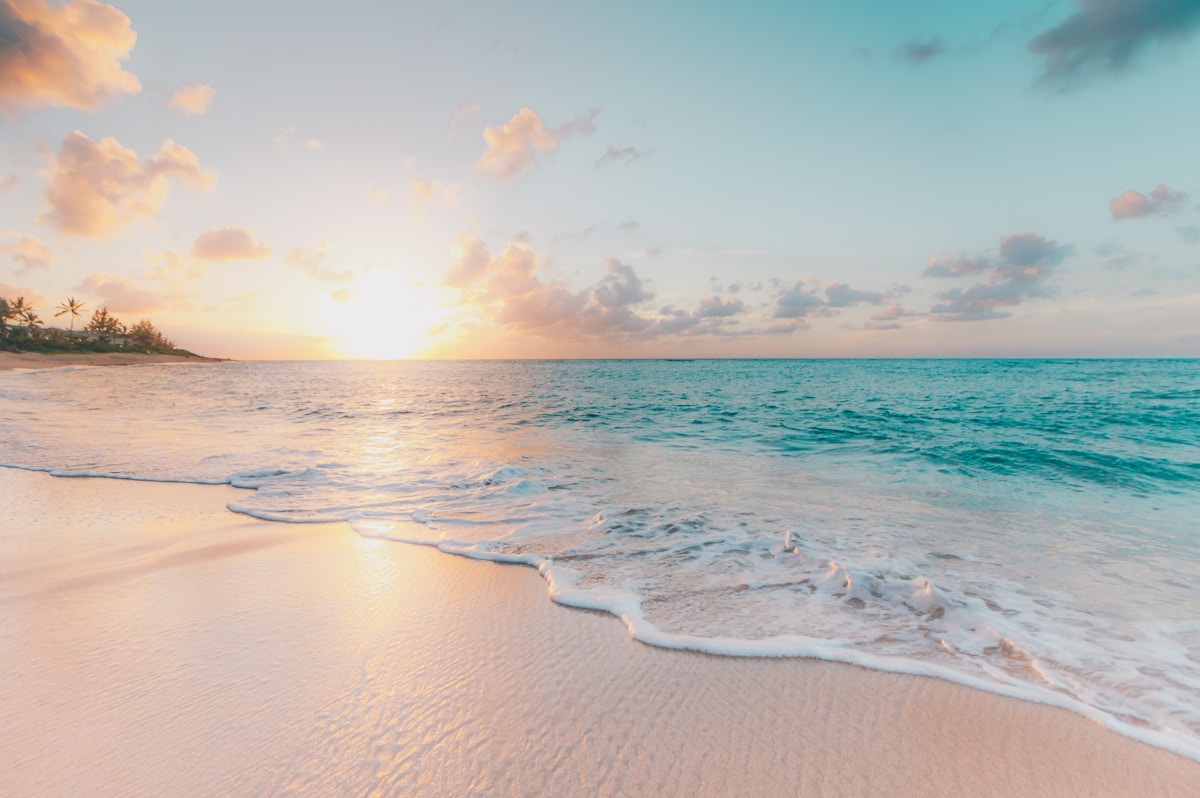
Mayreau, the smallest inhabited island in St. Vincent and the Grenadines, offers two superb anchorages. Salt Whistle Bay on the northwest side is a postcard crescent of white sand separating the Caribbean from the Atlantic, with holding in sand at three metres. Saline Bay on the west side is more open but works well in settled conditions and gives you dinghy access to the hilltop village, where a single church and a handful of rum shops overlook both coasts simultaneously.
Between Carriacou and the Tobago Cays you will pass Union Island (good customs clearance point if crossing from Grenada to SVG waters), Palm Island (private but worth an admiring pass), and Petit St. Vincent—each offering a different flavour of Caribbean anchorage.
Practical Notes
Remember that Grenada and St. Vincent and the Grenadines are separate sovereign nations. You must clear out of one and into the other, and penalties for skipping formalities can be steep. Hillsborough in Carriacou and Clifton on Union Island are the most convenient clearance points when heading north.
The sailing season runs November through June, with the most reliable trade winds from December to April. Passages between islands are short—rarely more than 15 miles—but reef navigation demands daylight, good visibility, and polarised sunglasses. Updated charts are essential; coral heads can appear where none were charted, and some older surveys are unreliable. Navigate visually, keep the sun behind you, and take your time.
This stretch of the Caribbean rewards the cruiser who slows down. Skip the charter-boat schedule, linger an extra day at the anchorage that speaks to you, and let the Grenadines work their quiet magic.