Charleston Race Week 2026: Cape 31s and J/80s Take the First ORC Sportboat North Americans
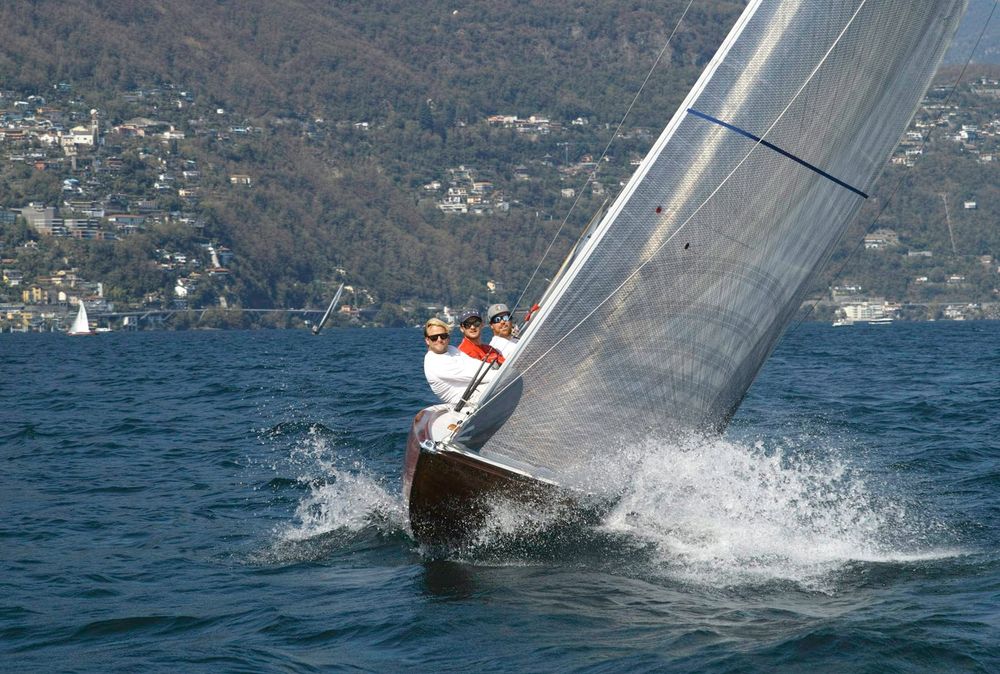
Charleston Race Week wrapped April 19, and the inaugural ORC Sportboat North American Championship is in the books. Two boats came out of Patriots Point with new champion flags: Joost-Olan Sheehan's Cape 31 Warrior Won in Class A, and Mike Beasley's J/80 Black Sheep in Class B. Both wins were earned in mixed conditions on a fleet that had been talking about this event since the 30th-anniversary regatta was first announced.
Class A: Cape 31 vs. Melges 32
Class A pitted six Cape 31s against five Melges 32s, and the rating debate was loud all week. The Cape 31 is faster on the watch when the breeze fills, but the Melges 32 has a longer waterline and more legacy results to draw on. ORC Sportboat ratings are calibrated to put both designs on the same line, and the early starts on Thursday tested that calibration in 8 to 11 knots.
Sheehan's afterguard - tactician Zeke Horowitz, with Reed Baldridge, Brady Stagg, Tyler Woodworth, Javier Amezcua, Pete Dill and Patrick Farrell on board - won by trusting the Cape 31's downwind angles and not chasing the Melges crews when the breeze went soft. They sailed the boat low when most of the fleet was sailing it hot, and that decision paid back two places per leg in the lighter races.
Class B: J/80 Wins on Tactics, Not Speed
The J/80 fleet has been around long enough that boatspeed deltas inside the class are tiny. Beasley's win came down to starts and shifts. Black Sheep was first or second off the line in five of the eight races, and the rest of the regatta was about staying in phase with a Charleston Harbor breeze that backed and built across each afternoon.
Beasley's notes after the regatta were the kind of thing you want to read out loud in the cockpit on your next club race: "We didn't try to win the start. We tried to win the first cross. Different goal."
What the Rule Did Well, and What It Didn't
The ORC Sportboat rating did its job in Class B - the top three boats were all on different points totals, and rating-driven place changes were rare. Class A was harder. The Cape 31 vs. Melges 32 split required two protests on conditions, and one race was thrown out for the Cape 31 group due to a wind delta the rule didn't quite catch. Expect ORC to revisit the wind-strength corrections for that pairing before next year.
Boats and Crew Notes Worth Stealing
A few details that came out of the post-race debrief that any sportboat owner can apply:
- Cunningham loads, not halyard tension: most of the Cape 31 winners were running the cunningham hard and the main halyard slightly slack, opening the leech without dragging the headboard.
- Spinnaker takedowns under the boom: the J/80s that finished top three were all using a leeward takedown to keep the kite out of the water at the gybe-set roundings, which is mandatory in Charleston Harbor's chop.
- Numbers, not gut: every podium boat had at least one crewmember on the bow with a hand bearing compass calling shifts off a fixed mark on the city skyline. No instruments, no expensive software, just a bearing and a stopwatch.
Looking Ahead
The next ORC Sportboat NAC is scheduled for Annapolis in 2027, and the rule changes that will come out of Charleston will be public by August. If you're considering a Cape 31 or a Melges 32 for next season, the gap between the two designs is still inside the rule's tolerance. Pick the boat your crew will sail more often. Both fleets are growing, and Charleston just confirmed why.
Charleston also reminded everyone that 30 years in, the regatta still gets its weather from the Atlantic and its tactics from the harbor. Two very different problems on two different days. The boats that won were the boats that adjusted fastest.