The Azores: Why Every Transatlantic Sailor Falls in Love with These Islands
Nine volcanic islands in the mid-Atlantic that every transatlantic sailor should explore.

Somewhere around day twelve of an Atlantic crossing, when the horizon has become your only companion and the rhythm of watches has replaced any sense of weekdays, a dark silhouette rises from the sea. The Azores appear like a promise kept by the ocean itself, and in that moment, every mile of open water feels worth it.
This Portuguese archipelago, scattered across the Mid-Atlantic Ridge roughly 900 miles west of Lisbon, has been a waypoint for sailors since the Age of Discovery. Today, the nine islands of the Azores remain the quintessential mid-ocean stopover, and for many cruisers, they become far more than a place to refuel and reprovision.
Horta: The Sailor's Crossroads
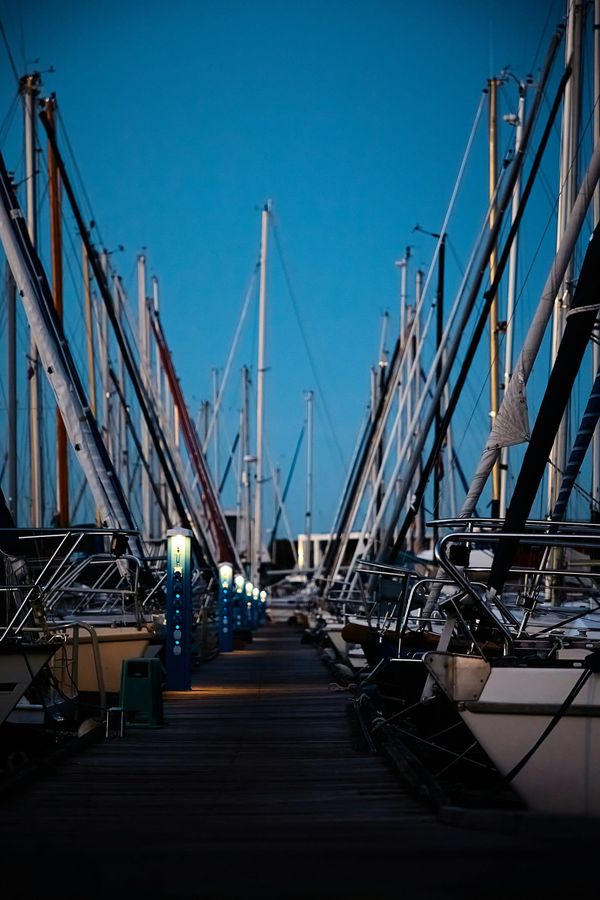
No conversation about sailing the Azores begins anywhere but Horta, on the island of Faial. The marina here is legendary, not for its facilities alone, but for the tradition it represents. Thousands of yacht crews have left their mark on the harbor walls and breakwater, painting colorful murals to commemorate their crossings. Superstition holds that failing to leave your painting invites bad luck for the voyage ahead.

Peter Cafe Sport, perched above the harbor, has served as the unofficial post office and meeting point for transatlantic sailors for over a century. Walk in on any evening between May and August and you will find crews from a dozen countries swapping stories over gin tonics, comparing passage times, and planning their next legs to the Mediterranean or Northern Europe.
Beyond Faial: Island Hopping by Sail
While many cruisers treat Horta as a quick pit stop, those who linger discover that the real magic of the Azores lies in exploring the archipelago itself. The central group of islands, including Faial, Pico, and Sao Jorge, sit close enough for comfortable day sails between them. Pico, dominated by its 2,351-meter volcanic peak, offers world-class whale watching and vineyards that grow in UNESCO-protected stone corrals. Sao Jorge is famed for its dramatic faja coastlines and artisanal cheese.

Farther afield, Flores and Corvo in the western group feel genuinely remote. Flores, often called the most beautiful island in the Azores, rewards sailors with cascading waterfalls, hydrangea-lined roads, and anchorages where you may be the only boat. The passage from Faial to Flores covers roughly 130 nautical miles and is best attempted in settled weather windows, as the western islands catch Atlantic swells with full force.
Practical Matters for Cruising Sailors
Marina berths in Horta fill quickly during peak season from June through August, so calling ahead on VHF channel 16 as you approach is wise. Provisioning is straightforward with supermarkets and a fresh market within walking distance. Diesel and water are available on the fuel dock, and there are several reliable mechanics and riggers familiar with bluewater boats. Portugal's membership in the EU means straightforward customs for European-flagged vessels, while non-EU boats can obtain a temporary importation permit valid for up to 18 months.

The weather in the Azores deserves respect. The archipelago sits at the boundary of the Azores High, and conditions can shift rapidly. Fog is common, particularly around Flores, and summer squalls can appear with little warning. Most cruisers find that a two to three week stay allows enough weather windows to explore multiple islands without feeling rushed.
The Food, the People, and the Pace
What truly captures sailors about the Azores is the quality of life ashore. The cuisine is hearty Atlantic fare: fresh-caught tuna steaks, cozido das furnas stewed in volcanic steam on Sao Miguel, local cheeses, and pasteis de nata with espresso that rivals anything on the Lisbon waterfront. The Azorean people are famously welcoming to visiting sailors, and the pace of life here feels like the rest of the world simply agreed to slow down.

Hiking is exceptional across every island, from the caldera rim on Faial to the volcanic lakes of Sao Miguel. Many trails start within a short taxi ride of the marinas, making it easy to stretch your sea legs. And after weeks of freeze-dried meals and canned provisions on passage, sitting down to a proper Azorean dinner with a bottle of Pico wine feels like a reward you have genuinely earned.
The Azores have a way of changing itineraries. Crews that planned a three-day stopover find themselves staying three weeks. Some never leave at all, choosing to base their boats here and explore the archipelago season after season. Whether you are westbound from Europe or eastbound from the Caribbean, make room in your passage plan for these islands. The Atlantic's best-kept secret is that its heart beats right here, on the volcanic shores of the Azores.