The Azores: Nine Islands That Deserve More Than a Fuel Stop
Nine volcanic islands in the mid-Atlantic that every transatlantic sailor should explore.
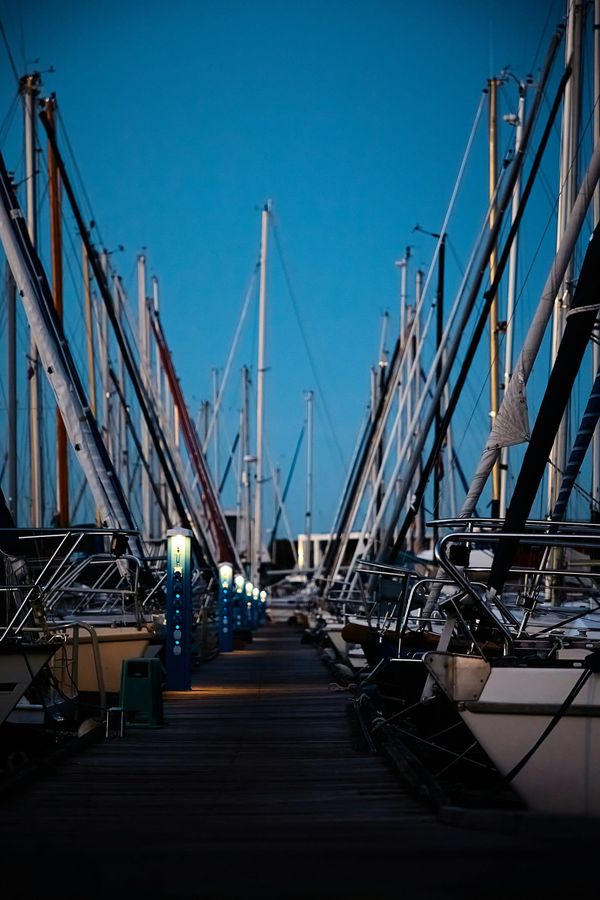
Every year, hundreds of cruising boats pass through the Azores on their way somewhere else. They clear in at Horta, top up the diesel, sign the seawall at the marina, drink a gin at Peter Cafe Sport, and push on for the mainland or the Med. It’s understandable — after two or three weeks at sea, the pull of the final destination is strong. But the Azores deserve better than a 48-hour pit stop, and if you give them proper time, they’ll give you some of the most memorable cruising in the North Atlantic.
Getting Your Bearings
The Azores are a Portuguese archipelago of nine volcanic islands sitting roughly 900 miles west of mainland Portugal. They’re divided into three groups: the Western Group (Flores and Corvo), the Central Group (Faial, Pico, São Jorge, Graciosa, and Terceira), and the Eastern Group (São Miguel and Santa Maria). Most cruisers arrive in the Central Group, clearing in at Horta on Faial, though Ponta Delgada on São Miguel and Praia da Vitória on Terceira are also official ports of entry.

The cruising season runs from May through early September, with the busiest period being May and June when the transatlantic fleet rolls through. Summer brings settled weather, though the Azores earn their reputation for changeable conditions — a sunny morning can turn to fog and drizzle by afternoon, and the swell can build quickly when a low passes to the north.
Island by Island
Faial is where the sailing world converges. Horta marina is the social hub of the Atlantic cruising community, and the tradition of painting your boat’s name on the seawall dates back decades. Beyond the marina, the Capelinhos volcano on the island’s western tip is a lunar landscape worth the taxi ride — it erupted as recently as 1957 and added new land to the island.

Pico sits just across the channel from Faial, dominated by Mount Pico at 2,351 meters — Portugal’s highest point. The UNESCO-listed vineyards, where grapes grow in tiny walled plots of black basalt, are unlike anything you’ll see anywhere else. If the weather cooperates, the summit hike is a full-day commitment but unforgettable.
São Jorge is the thin, ridge-like island between Pico and Graciosa. The port of Velas is small but welcoming, and the island’s fajãs — flat coastal platforms formed by landslides — are fascinating to explore by dinghy when conditions allow. The local São Jorge cheese is some of the best you’ll find in Portugal.
Terceira offers a different character entirely. Angra do Heroísmo is a UNESCO World Heritage town with a well-preserved colonial center, impressive forts, and excellent restaurants. The anchorage at Angra is reasonably protected in settled conditions, though the marina at Praia da Vitória on the east coast is more secure.
Flores, the westernmost island, is the one cruisers who’ve been there keep talking about. It’s lush, quiet, and strikingly beautiful, with waterfalls tumbling off sea cliffs and a population that seems genuinely pleased to see visiting sailors. Getting there requires a beat to windward from the Central Group, but the reward is an island that feels like the Azores before the rest of the world discovered them.
Practical Considerations
Anchoring in the Azores requires vigilance. There aren’t many protected anchorages, and the volcanic seabed can be deep close to shore. When you do find a spot, treat it as fair-weather only and keep a close watch on conditions. Most cruisers rely on marina berths, which are available on most islands though they fill up in peak season.

Provisioning is good on the larger islands, particularly São Miguel and Terceira. Faial covers the basics but selection is limited. Fuel is readily available at all marinas. The Azorean diet is heavy on fresh fish, beef, and dairy — the local queijo fresco and the stews cooked in volcanic hot springs on São Miguel are not to be missed.
For EU-flagged boats, the Azores are simply another part of Portugal. Non-EU vessels should clear in at an official port of entry. The process is straightforward, and officials are accustomed to transient cruising boats.
Give Them the Time They Deserve
Two weeks is the minimum to do the Central Group justice. A month lets you reach Flores and São Miguel and actually relax rather than passage-plan between island hops. The Azores sit at the crossroads of the Atlantic, and they’ve been welcoming sailors for centuries. The least we can do is stay long enough to appreciate what makes them special.