Provisioning Smart: How to Feed Your Crew Across an Ocean
There is a particular kind of anxiety that sets in about ten days before an ocean passage — the slow realization that whatever you load aboard is all you will have for the next three weeks. Provisioning for bluewater crossings is part logistics puzzle, part culinary planning, and part exercise in humility. You will forget something. The goal is to make sure it is not something critical.
Start With Water
Before you think about food, think about water. Know your tankage, know your daily consumption, and know your backup plan. A crew of two on a 40-footer typically uses five to ten gallons per day for drinking, cooking, and basic washing. If you carry 100 gallons and your passage estimate is 20 days, you are already running thin without a margin for calms or diversions.
A watermaker changes the equation completely, but it is not a get-out-of-jail-free card. Reverse osmosis membranes need regular maintenance — flush with non-chlorinated freshwater after every use, and pickle the system with biocide if it sits idle for more than a week. Carry spare pre-filters (they last roughly six months under normal use) and a membrane preservation kit. Even with a functioning watermaker, keep enough tankage to reach port without it. Murphy is a permanent member of every offshore crew.
Rain catchment is the oldest backup in the book. A boom tent or purpose-made rain catcher can fill tanks surprisingly fast in the tropics. Keep a clean bucket and hose ready to redirect water from your bimini or dodger.

The Provisioning Spreadsheet
The single best tool for passage provisioning is a spreadsheet listing every item on board, its quantity, and its stowage location. This sounds tedious. It is. It also saves you from digging through every locker looking for the canned tomatoes you swore you bought six of.
Plan meals in advance — at least loosely. You do not need a rigid daily menu, but a rough rotation (pasta night, rice night, fresh-catch night, stew night) ensures you buy the right supporting ingredients. Multiply your crew size by your passage days, add 25 percent for weather delays, and you have your baseline.
What Lasts and What Does Not
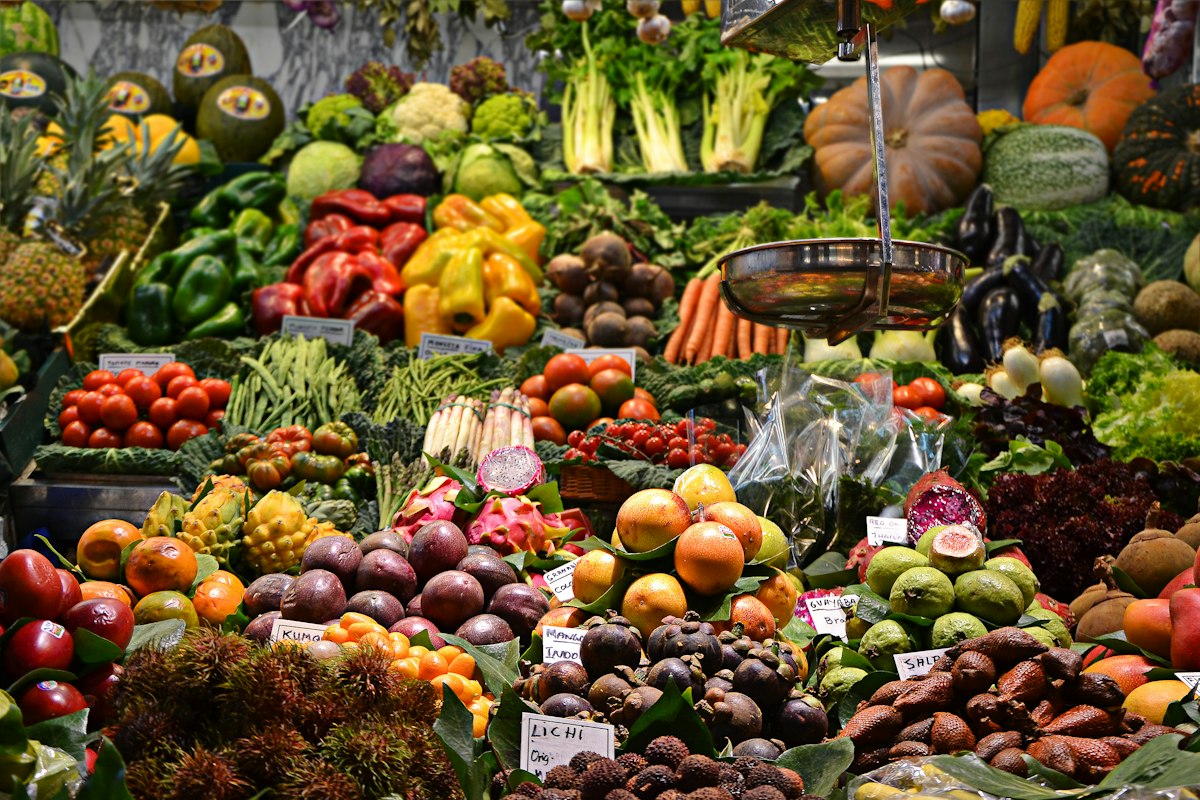
Fresh provisions follow a predictable hierarchy of shelf life. Use leafy greens and soft herbs in the first few days. Tomatoes, peppers, and zucchini carry you through the first week if stored in a cool, ventilated spot — never in plastic bags, which trap moisture and accelerate rot. Onions, potatoes, carrots, cabbage, and butternut squash are your mid-passage workhorses; stored properly in mesh bags with good airflow, they last three to four weeks easily. Apples and citrus hold well too, especially if you wipe each piece with a dilute vinegar solution before stowing.

Eggs deserve special mention. Unwashed, unrefrigerated eggs (common outside the US) last four to six weeks if turned weekly. Coat them lightly in mineral oil if you want extra insurance. This is one of the great secrets of offshore provisioning — fresh eggs three weeks into a crossing is a genuine morale booster.
Dry Goods and Canned Insurance
Rice, pasta, flour, oats, lentils, and dried beans form the backbone of any ocean passage menu. Buy them in meal-sized portions when possible — a half-used bag of pasta in a warm, humid boat is an open invitation for weevils. Tuck bay leaves into your flour and grain containers; the essential oils deter weevil larvae from hatching.
Canned goods are heavy and bulky, but they are your insurance policy. Even with reliable refrigeration, carry at least 30 days of canned and packaged meals as a backup. Canned tuna, chicken, beans, coconut milk, tomatoes, and corned beef are cruiser staples worldwide for good reason. Remove paper labels (they attract moisture and cockroaches), mark the contents on the can with a Sharpie, and stow them low in the bilge area where the weight helps your trim.
Coffee and tea deserve careful consideration. Well-sealed foil bags keep coffee fresh for three to four months; canned coffee lasts longer and survives the humidity better. Running out of coffee on day 12 of a crossing has ended friendships.
Fishing and Foraging
A trolling line costs almost nothing and can transform your passage menu. Mahi-mahi, tuna, and wahoo are common catches in the trades, and fresh sashimi on night watch is one of sailing's finest perks. Carry a basic tackle kit — a handline with a squid skirt or cedar plug is all you need. Keep wasabi and soy sauce in the provisioning locker and you are set.
The Galley Itself
Provisioning is not just about what you buy — it is about how your galley functions at sea. A gimballed stove, a deep fiddle-railed countertop, and a pressure cooker are non-negotiable for offshore cooking. The pressure cooker alone cuts fuel consumption by half and cooks dried beans and tough cuts of meat in a fraction of the time. A thermos filled with boiling water at the start of a watch keeps hot drinks available without relighting the stove in rough conditions.
Keep economy-size containers on the supermarket shelf. On a boat with fewer than five crew, small containers of dish soap, cooking oil, and condiments are far easier to handle one-handed in a seaway. Decant bulk items into smaller, sealed containers before departure.
The bottom line: provision like you might be out there longer than planned, eat your freshest food first, and never, ever run out of coffee.