NOAA Rethinks Whale Speed Rules: What East Coast Cruisers Need to Know
If you cruise the U.S. East Coast, you have almost certainly encountered the slow zones. Those seasonal management areas where vessels 65 feet and over must throttle back to 10 knots to protect North Atlantic right whales have been part of the regulatory seascape since 2008. Now NOAA is reconsidering the entire framework — and the outcome matters to every sailor transiting between New England and the Caribbean.
In March 2026, NOAA Fisheries published an advance notice of proposed rulemaking that could fundamentally reshape how vessel speed restrictions work along the eastern seaboard. The comment period runs through June 2, 2026, and the agency is explicitly asking whether technology-based alternatives might replace or supplement the current blanket seasonal slowdowns. For cruisers planning fall passages south or spring returns north, this is worth paying attention to.
What the Current Rules Require
The existing vessel strike reduction rule establishes Seasonal Management Areas along the East Coast from November through July, depending on the zone. Within these areas, vessels 65 feet or longer must not exceed 10 knots. The zones stretch from the waters off New England down through the mid-Atlantic. For most cruising sailboats well under 65 feet, the mandatory speed limit does not directly apply — but the voluntary compliance request extends to all vessels, and the underlying hazard is real.
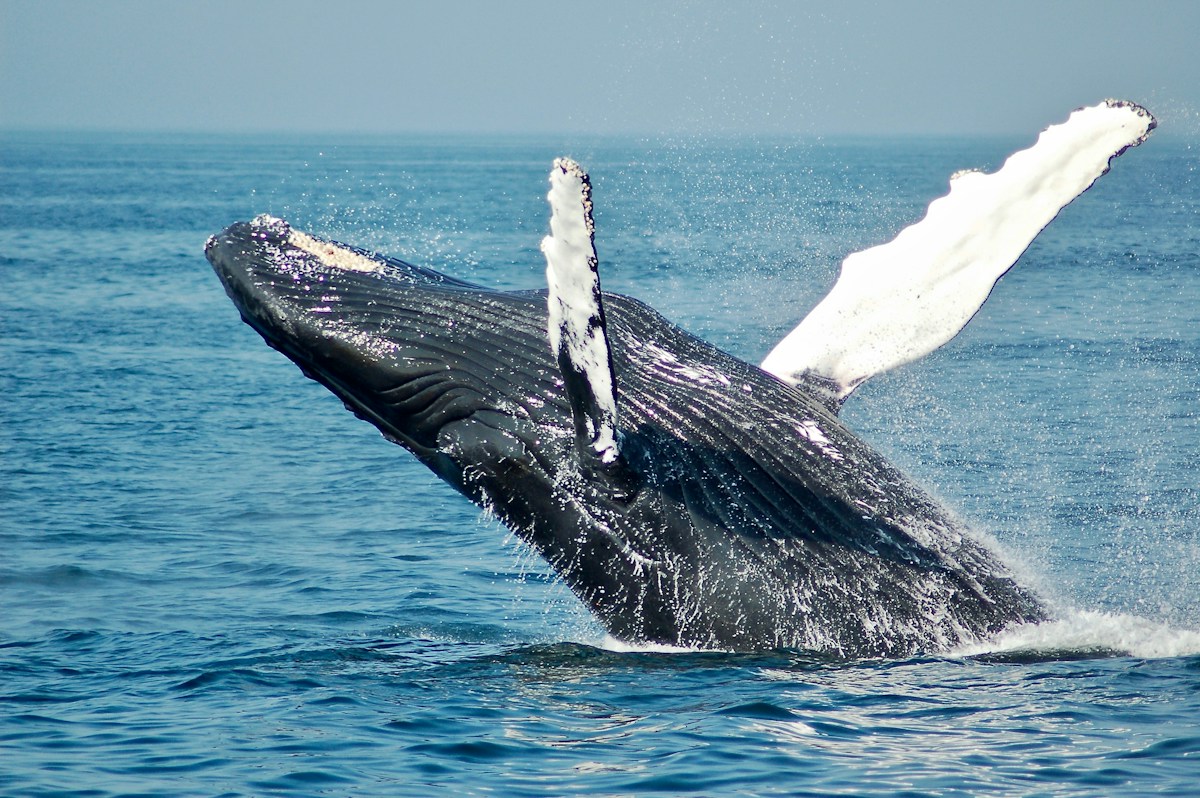
Right whales are slow, dark, and tend to rest at or near the surface. They do not reliably avoid vessels, and their blows are low and difficult to spot. A collision at even moderate sailing speeds can injure or kill a whale that belongs to a population numbering fewer than 350 animals. Every individual matters.

What NOAA Is Considering
The advance notice signals that NOAA wants to explore whether newer technologies — real-time whale detection systems, acoustic monitoring, aerial surveys with rapid notification — could allow more targeted, dynamic management. Instead of fixed seasonal zones, imagine a system where speed restrictions activate only when whales are actually detected in a specific area, and lift when the animals move on.
This approach could reduce the economic burden on commercial shipping while maintaining or even improving protection for whales. For recreational and cruising sailors, the practical impact would depend on how any new system is implemented. Dynamic management areas already exist in some form — NOAA issues voluntary slow zone advisories when whales are spotted outside seasonal management areas — but making them the primary tool would be a significant shift.

What Cruisers Should Do
Regardless of how the regulations evolve, the practical advice for bluewater sailors transiting the East Coast remains straightforward. Maintain a vigilant watch, especially in known right whale habitat from Cape Cod to Florida. If you are sailing at night through these waters, reduce speed when conditions limit visibility. Report any whale sightings to the Coast Guard on VHF Channel 16 or through the Whale Alert app.
Consider routing decisions carefully during the autumn southbound migration season. The waters off the mid-Atlantic and Southeast — particularly near the calving grounds off Georgia and northeastern Florida — deserve extra caution from December through March. A slight offshore routing adjustment can reduce risk for both you and the whales.
If you have strong feelings about how the speed rule should evolve, the comment period is open until June 2, 2026. NOAA is accepting input through the Federal Register docket, and cruiser perspectives are as valid as those from the shipping industry. The challenge is finding a balance that protects a critically endangered species without imposing unnecessary restrictions on mariners — a balance that requires good data, good technology, and good faith from everyone on the water.

The Bigger Picture
The right whale speed rule debate sits within a broader conversation about how recreational and commercial mariners coexist with marine life. Antifouling regulations continue to tighten globally, with the IMO working toward a legally binding biofouling framework expected to take shape between 2026 and 2028. New biocide-free hull coatings — silicone elastomers, fluoropolymer surfaces, and biomimetic designs inspired by shark skin — are entering the market as copper-based paints face increasing scrutiny.
For cruisers, the thread connecting these issues is simple: the ocean is not just our highway. The waters we sail through are habitat, and the regulatory landscape is shifting to reflect that. Staying informed, adjusting our practices where we can, and participating in the rulemaking process when it is open to us — these are small acts of seamanship that matter beyond our own cockpits.