Fiji by Sail: Your Guide to Cruising the Crossroads of the Pacific

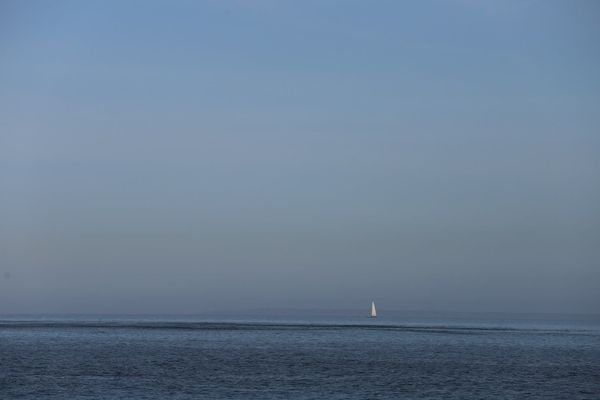
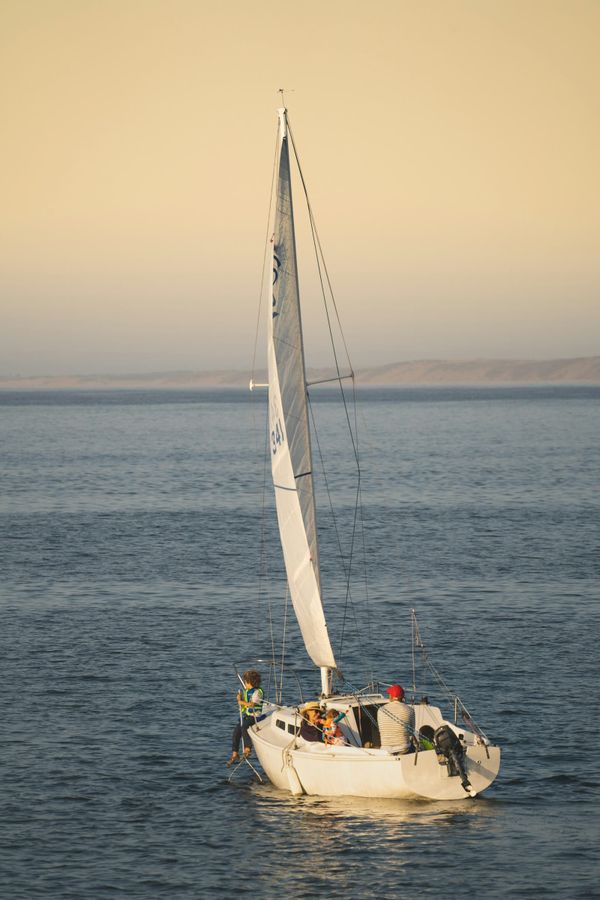
Few destinations in the South Pacific deliver the combination of warm hospitality, protected anchorages, and genuine remoteness that Fiji offers cruising sailors. Straddling the 180th meridian across more than 330 islands, Fiji sits at the crossroads of every major Pacific passage — and for good reason, it has become the de facto gathering point for westbound cruisers each austral winter.

Timing Your Arrival
The cruising season runs from May through October, neatly dodging the South Pacific cyclone belt that keeps insurance underwriters awake from November to April. Most boats arrive from Tonga in June or July, riding the southeast trades on a comfortable beam reach. If you are coming directly from New Zealand, plan on a 1,100-nautical-mile passage north from Opua — typically five to seven days with favorable conditions.
The smart play is to clear in at Savusavu on Vanua Levu's southern coast if arriving from the east. Savusavu's Copra Shed Marina has become a genuine cruising hub with fuel, water, provisioning, laundry, and a customs office that handles yacht arrivals daily during season. The town itself is walkable, friendly, and well-stocked enough to refit after a passage without breaking the bank.
Clearance and Permits
Fiji's entry formalities are straightforward but require some advance planning. You must submit an arrival notification to Fiji Revenue and Customs Service (FRCS) at least 48 hours before reaching port, and clear customs within 24 hours of entering Fiji waters. The good news: Customs will issue a temporary import permit allowing your yacht to remain for up to 18 months duty-free, provided you are a bona fide tourist on a genuine cruise.
You will also need a Cruising Permit from the iTaukei Affairs Board, which allows you to visit outer islands and anchor near villages. The permit is free and valid for six months. If you plan to visit the Lau Group — and you absolutely should — apply for the Lau permit well in advance through iTaukei Affairs, as these remote eastern islands require separate authorization.
Most passport holders from Western countries receive a four-month visitor's permit stamped on arrival. Extensions are possible but require a trip to an immigration office in Suva or Lautoka.
The Cruising Grounds
Savusavu and Vanua Levu
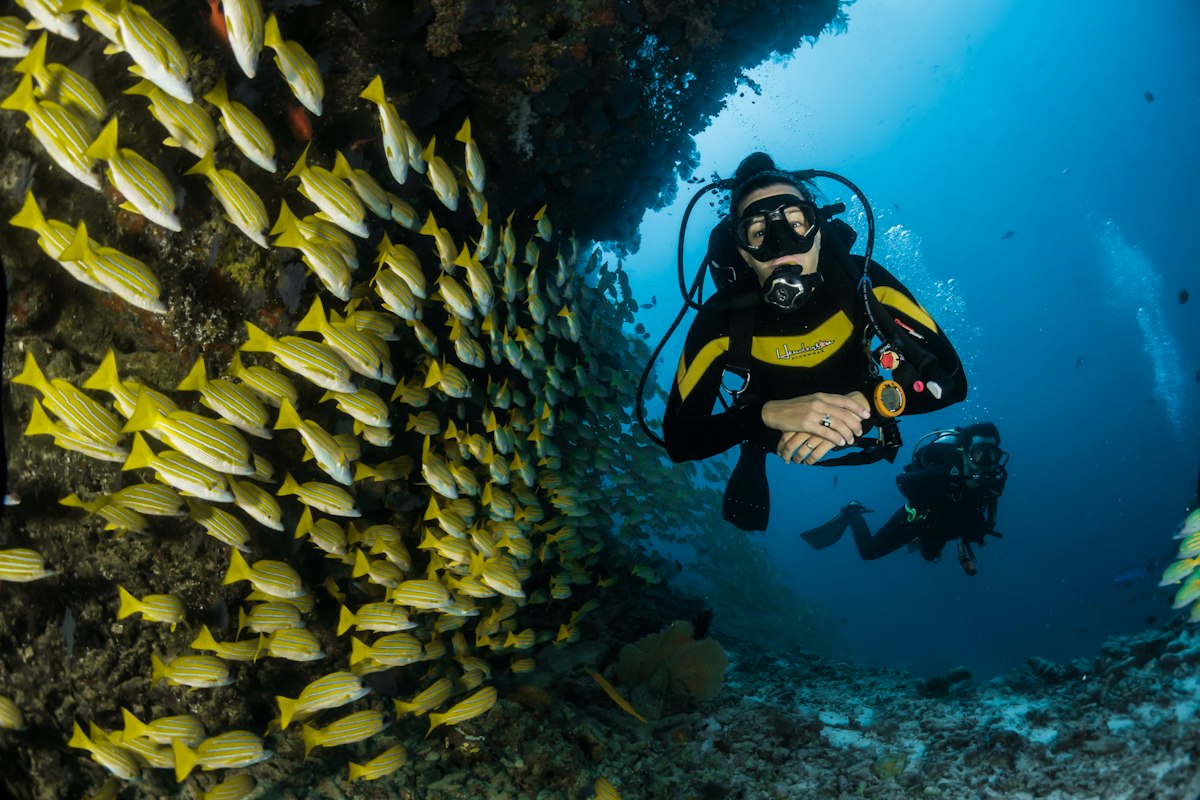
Savusavu is more than just a clearance port. The surrounding waters offer excellent day-sailing between sheltered bays, and the town's hot springs, produce market, and genuinely welcoming locals make it a place worth lingering. Several good anchorages dot the coast east and west of town, and the diving on the Namena Marine Reserve is world-class.
The Yasawas and Mamanucas
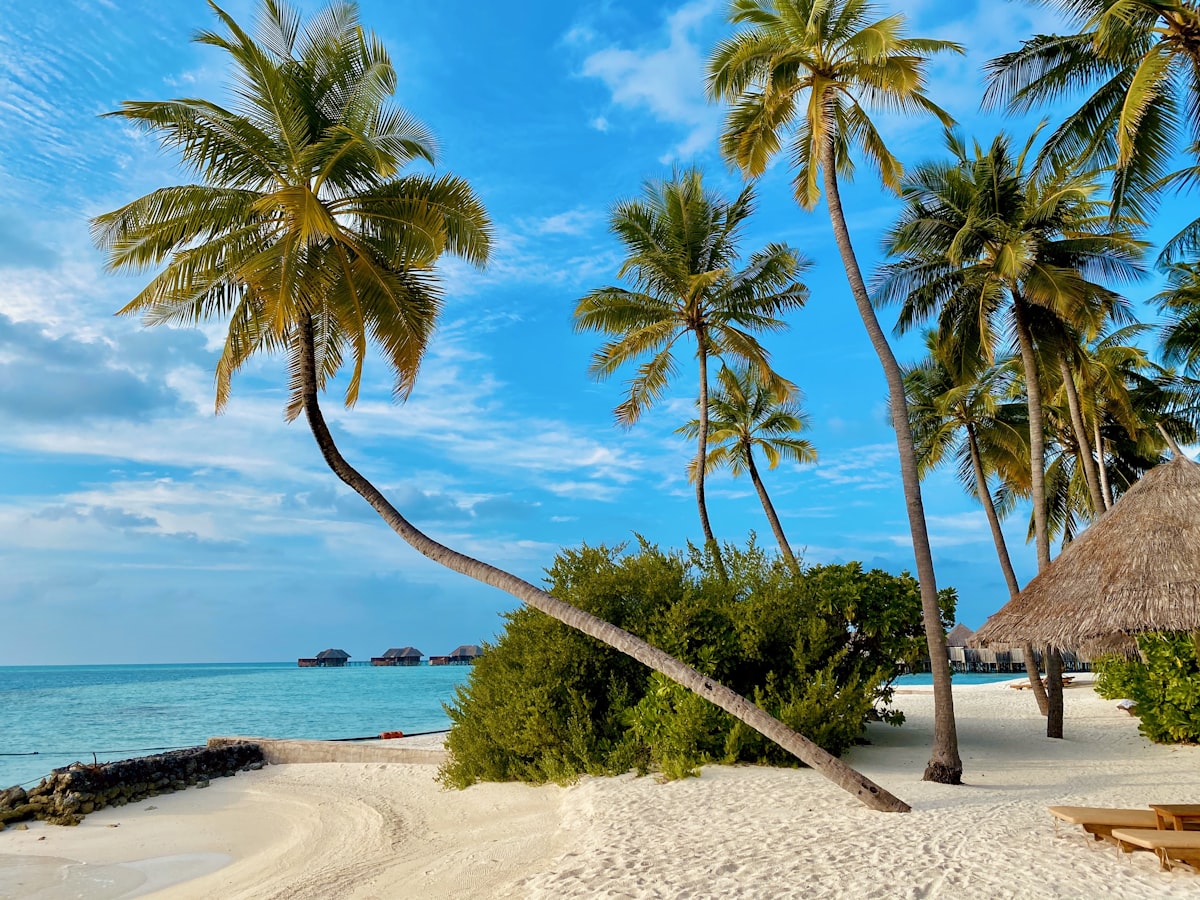
The western island chains offer the postcard Fiji — dramatic volcanic peaks, white sand beaches, and crystal lagoons. Musket Cove on Malolo Lailai remains the unofficial cruiser headquarters in the west, with sheltered moorings, a yacht club, fuel dock, and full resort amenities. The 42nd Fiji Regatta Week is scheduled for September 15–19, 2026, coinciding with Musket Cove Resort's 50th anniversary — worth planning your season around.
The Yasawa chain to the north offers increasingly remote and spectacular anchorages, though holding can be tricky on coral patches. Carry plenty of chain and be prepared to set a snorkel-check on your anchor.
The Lau Group
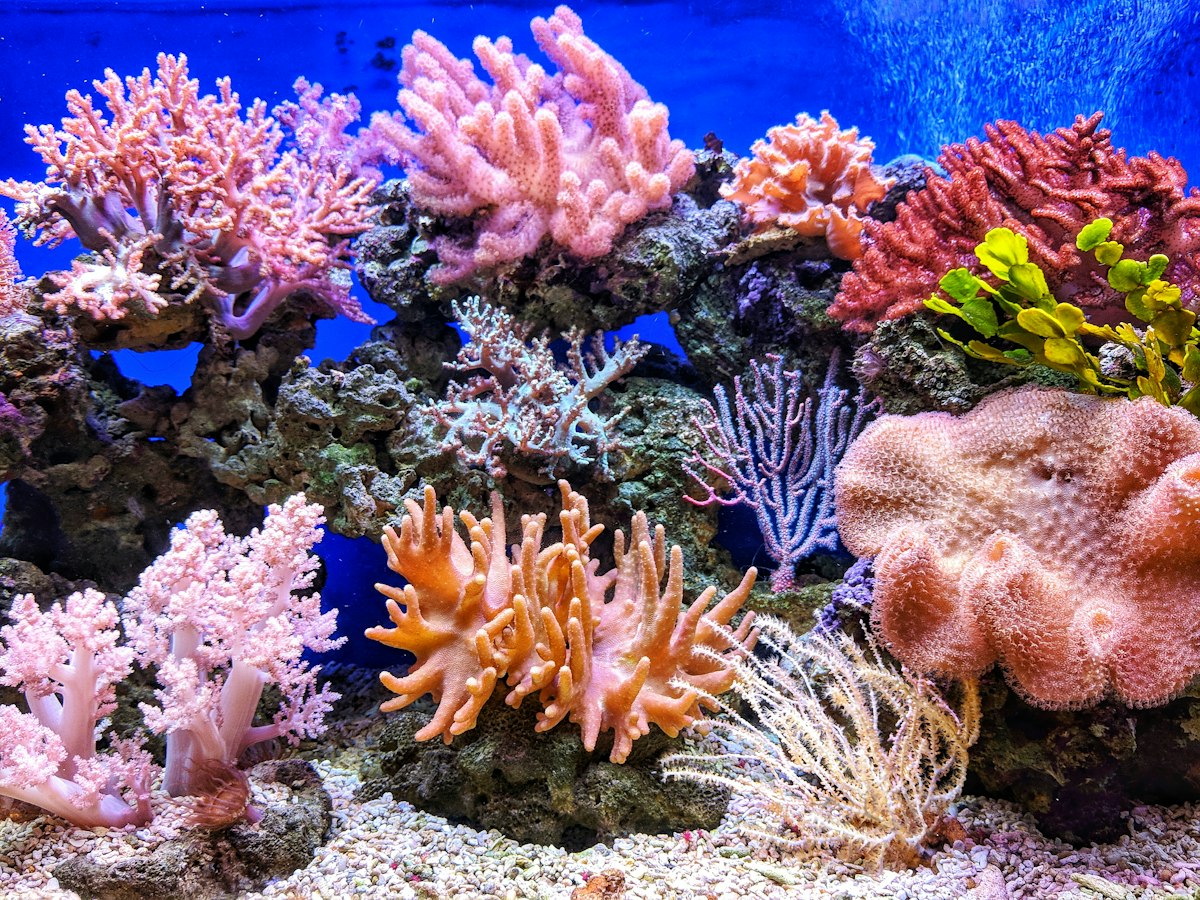
If you have the time and the temperament for true off-the-grid cruising, the Lau Group is the reward. Once restricted, these eastern islands are now open to permitted yachts and offer pristine coral reefs, traditional Fijian villages untouched by tourism, and anchorages where you will be the only boat. Savusavu is your last reliable provisioning stop before heading east, so stock up accordingly. Expect limited to no cell coverage, no fuel, and no marine services — just honest, beautiful, empty cruising.
Practical Notes
Fiji uses the Fiji dollar, and ATMs are available in Suva, Lautoka, Nadi, and Savusavu. Outer islands operate on cash, so draw enough before heading off the beaten track. Provisioning is good in the main towns — fresh produce at the municipal markets is excellent and cheap. Diesel is available at marinas and some fuel stations accessible by dinghy.
Hold sevusevu — the traditional kava ceremony — ready for every village visit. Bring a bundle of dried kava root (available in any Fijian market for a few dollars) and present it to the village chief before exploring. This is not optional; it is how you show respect, and Fijians take it seriously.
Fiji is the kind of place that turns a planned two-week stop into two months. Budget your time generously — the islands will repay every extra day you give them.