Antigua Bermuda Race 2026: The 935-Mile Caribbean Classic Returns for Its Fifth Edition
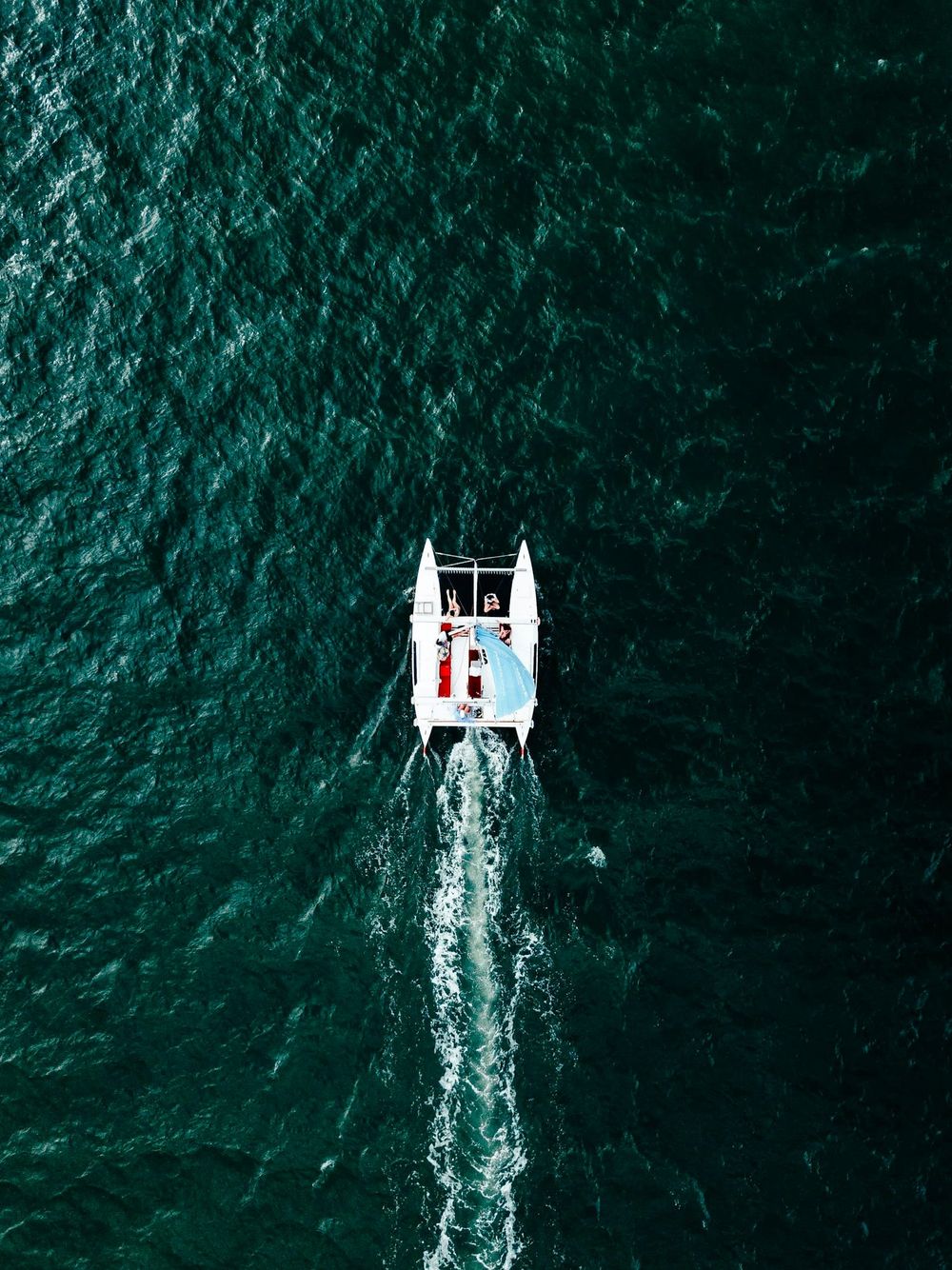
The fifth edition of the Antigua Bermuda Race fires its starting gun on April 29, sending a fleet of offshore-ready boats on a 935-nautical-mile northbound passage from English Harbour to St. George’s. Run by the Royal Bermuda Yacht Club in partnership with Antigua Sailing Week, the event has matured from a regional shakedown into one of the Caribbean’s signature bluewater races — and a bridge passage for crews heading north for the Atlantic season.
What makes this race compelling for bluewater sailors isn’t the leaderboard. It’s the course. The route pushes competitors straight across the trade-wind belt, through the variable horse latitudes, and onto the edge of the Gulf Stream eddies that so often deliver the first taste of true offshore weather to boats leaving the tropics. For many yachts, it is the first open-ocean passage of the delivery season, and the discipline required — watch rotations, sail selection, heavy-weather readiness — is indistinguishable from a cruise to Bermuda. The race simply forces you to do it well.
Conditions to Plan For
The historical late-April pattern along the rhumb line begins with reinforced trades south of 25N, often 18 to 24 knots with meaningful sea state. Boats that exit Antigua on port tack with a reefed main and full staysail have the right setup for the first 36 hours. Above roughly 28N the wind typically clocks and lightens, opening a gate for asymmetric kites and Code Zeros. The final 200 miles into Bermuda is the wildcard: a stalled front can produce 35-knot squalls on the nose, and Gulf Stream meanders can stand up steep, short-period seas against a northerly.
Smart skippers are running two routers this year — PredictWind and Squid — and cross-checking with the GFS and ECMWF ensembles. The divergence between models in the final 48 hours to Bermuda can be significant.
Gear That Earns Its Keep
This isn’t a grand prix course, but attrition still wins it. The boats that finish well usually share a handful of characteristics: a properly tuned B&G or Raymarine autopilot with adequate rudder feedback, dependable AIS, a fully serviced life raft within its inspection window, and a working Iridium GO! or Starlink terminal for weather updates. Jordan series drogues are increasingly standard on the stern pulpits of the older monohulls in the fleet, and anyone without a solid offshore-grade storm trysail should rethink that calculus.
Hydration is the quiet killer on this run. Southbound trades in late April can push cabin temperatures above 90 degrees, and crews who don’t drink deliberately through the first night end up cognitively degraded by day two. A watch captain who enforces water intake is worth three knots.
Why It Matters Beyond the Race
For the bluewater crowd, the race timing lines up neatly with SailGP Bermuda on May 9–10, giving crews a built-in reason to stage in St. George’s and soak up the scene. More practically, an entry in the Antigua Bermuda Race provides structure, shore support, and weather routing resources that a lone delivery doesn’t. It’s one of the few events on the calendar where a cruising couple can rub shoulders with a well-oiled IRC program and learn something from both sides of the dock.
If you’re eyeing 2027, now is the time to commission the rig survey, replace the standing rigging if it’s over a decade old, and budget for an offshore-grade liferaft service. Those are the line items that quietly separate finishers from retirements. Whether you line up in Falmouth Harbour or follow the fleet online, this year’s race is worth paying attention to — the Caribbean-to-Bermuda corridor is one of the most instructive 935 miles in bluewater sailing.