Greener Bottoms and Safer Seas: The Cruiser's Environmental Playbook
The days of slathering copper-laden paint on your hull and calling it good are numbered. Whether you cruise the copper-restricted waters of Washington State and California or simply want to leave a lighter footprint on the oceans you love, the antifouling landscape is changing fast—and bluewater sailors need to pay attention.
The Copper Question
Copper-based antifouling has been the default for decades, and for good reason: it works. But accumulating evidence of copper contamination in enclosed harbours and estuaries has regulators tightening the screws. Washington State's Department of Ecology continues to study alternatives and will deliver its next legislative report by June 2029, but the direction of travel is clear. California already limits copper leach rates, and the EU's Biocidal Products Regulation keeps ratcheting down permissible concentrations. If your cruising plans include any of these waters, the paint on your bottom matters more than ever.
The good news is that genuine alternatives are emerging. Nippon Paint Marine recently launched Aquaterras, believed to be the first biocide-free self-polishing copolymer antifouling. Instead of poisoning organisms, it creates a hydrogel surface layer that makes it physically difficult for barnacles and slime to attach. Early results from commercial shipping are promising, though long-term performance data on cruising yachts—with their long idle periods at anchor—is still limited.
For sailors not ready to go fully biocide-free, paints using ECONEA (a non-metallic biocide) combined with zinc-based slime fighters offer a middle path. They perform comparably to traditional copper paints in most conditions and satisfy the strictest current copper regulations. The bottom line: check the rules for every jurisdiction on your itinerary and choose accordingly.
Whale Strikes: A Growing Concern for Cruisers
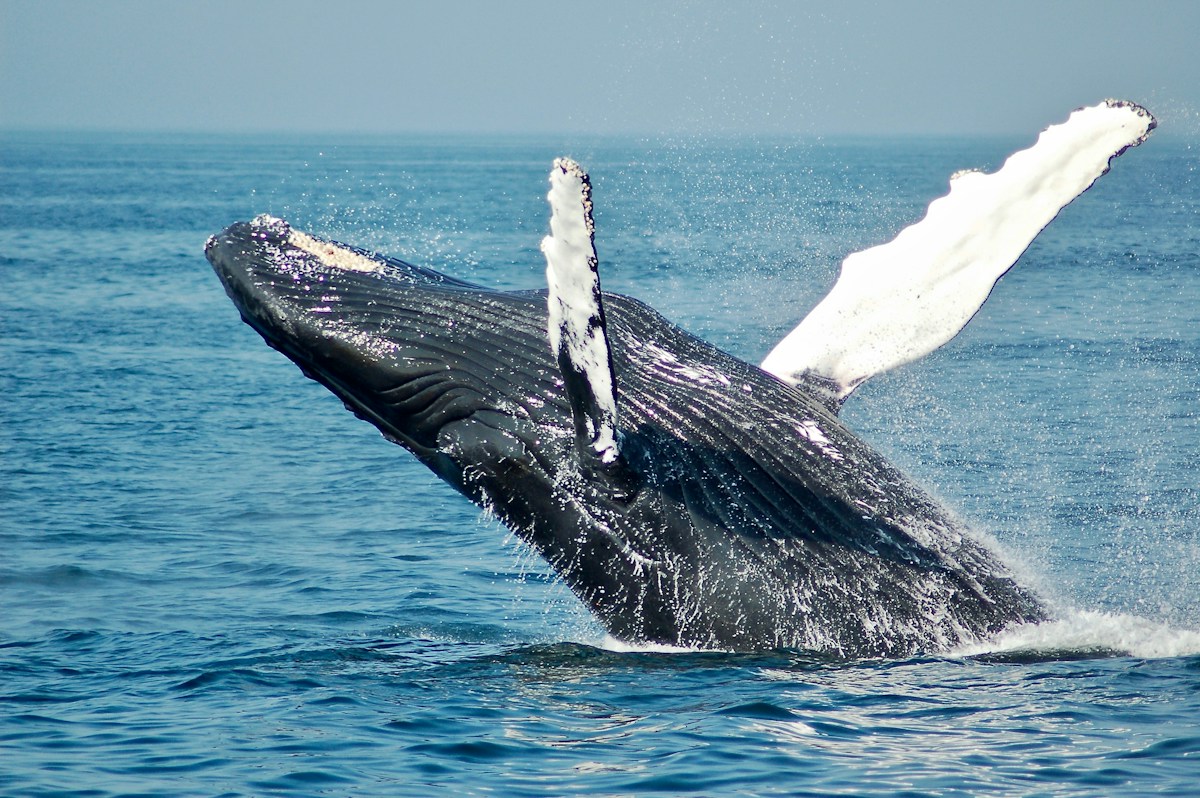
Whale strikes were once considered a problem for ocean racers pushing hard through remote waters. That perception has shifted. Reports of cruising yachts colliding with cetaceans have increased, and the well-publicised orca interactions off the Iberian Peninsula since 2020—dozens of boats limping into Spanish ports with rudder damage—have made every sailor more aware of large marine mammals.
NOAA's vessel strike reduction efforts focus mainly on commercial ships and North Atlantic right whales, but the principles apply to us too. Seasonal Areas To Be Avoided operate off the US East Coast from April through July. Shipping lane adjustments off San Francisco and Los Angeles have already reduced overlap between vessel traffic and whale habitat. As cruisers, we should be plotting these zones on our charts and adjusting our routes when practical.
On the technology front, the IMOCA ocean racing fleet pioneered a "Hazard Button" reporting system integrated into Adrena and Expedition navigation software. When a skipper spots a whale or strikes debris, a single button press geo-tags the location and alerts nearby vessels. This system is now available to cruisers running either platform—well worth activating before your next offshore passage.
Grey Water: The Invisible Discharge

Black water gets all the regulatory attention, but grey water—from sinks, showers, and laundry—can carry detergents, food grease, and microplastics into the marine environment. While few jurisdictions regulate grey water discharge from recreational vessels, the International Maritime Organization is moving toward stricter standards for commercial ships, and it is only a matter of time before the rules trickle down.
Practical steps you can take right now: switch to biodegradable, phosphate-free soaps and detergents formulated for marine use. Install a simple grey water strainer to catch food solids before they go overboard. If you have the space, a small grey water holding tank lets you discharge well offshore rather than in harbour. None of these measures cost much, but collectively they make a real difference to the anchorages and harbours we all share.
The Bigger Picture

Bluewater sailors have a unique relationship with the ocean—we depend on it, and we see its health up close. Choosing the right antifouling, staying alert for marine mammals, and managing our discharges responsibly are not onerous burdens. They are simply part of good seamanship in 2026. The ocean gives us everything; the least we can do is give a little care back.