Pure 42 Review: Why This Alloy Cruiser Is the New Benchmark for Bluewater Cruising
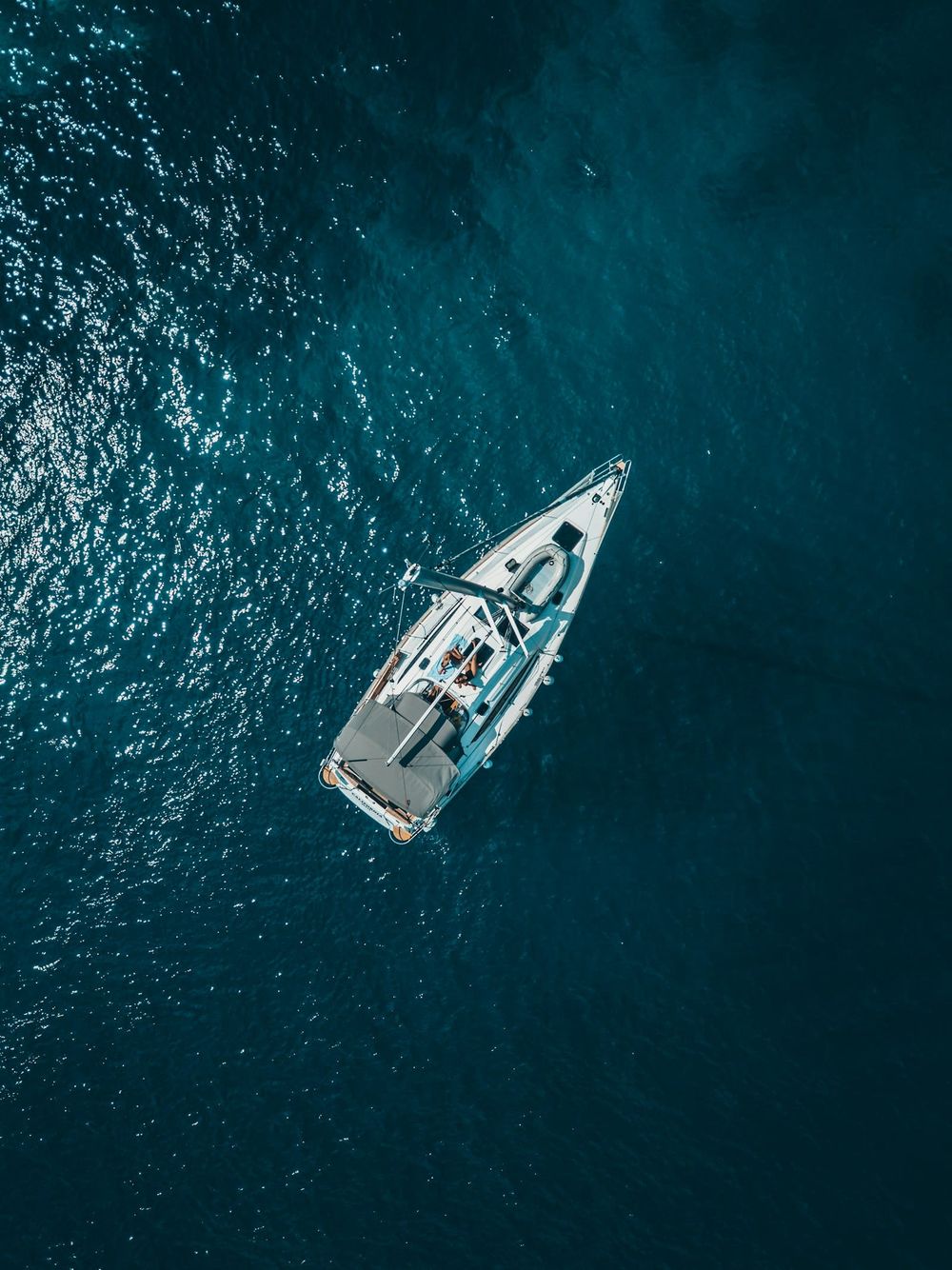
The arrival of the Pure 42 on the European bluewater scene isn't just another boat launch — it's a statement about where serious offshore cruising design is heading. Built by Pure Yachts in Germany and penned by naval architect Georg Nissen, this 42-footer blends bulletproof welded aluminum construction with a hull form borrowed more from modern ocean racers than traditional long-keel cruisers. After several months of reports and a full April 2026 review in Yachting World, the consensus is striking: this boat has rewritten the equation for what a capable two-up bluewater yacht can feel like at sea.
Construction: Alloy Done Right
Aluminum cruising yachts have a devoted but small following — think Allures, Garcia Exploration, Boréal. The Pure 42 joins that club but pushes construction further. The hull is 6mm AW-5083 marine aluminum with 8mm plating below the waterline, fully welded and built in a jig for precise tolerances. Longitudinal framing replaces the traditional transverse frames, producing a stiffer, lighter hull that sheds weight without compromising impact resistance.
The centerboard version draws just 1.1m board up and 2.6m board down — enough to sneak into Bahamas anchorages and still deliver proper upwind performance offshore. The fixed-keel version draws 2.1m. Both use composite ballast bulbs rather than lead, a choice that lowers the vertical center of gravity while keeping the keel root thin.
The Numbers That Matter
A displacement-length ratio of 195 and sail-area-displacement around 20 mean the Pure 42 will move in light air without lighting up in the first puff of a building southerly. In trials reported from the Baltic, she averaged 7.8 knots in 12 knots true wind, upwind, under working sails. Off the wind in 18 knots, crews have reported sustained 9+ knot surfs with only a full main and Code 0.
Tankage is generous: 600 liters of fresh water, 500 liters of fuel. That's genuine trade-wind-crossing capacity without turning the bilge into a water-bag tomb. A Fischer Panda 12kW generator is optional, but many owners are specifying lithium-only systems with a 1,200W solar array on the bimini arch.
On-Deck Layout: Built for Shorthanded Work
The cockpit is wide but protected. A hard bimini with integrated solar runs over the main traveler, which is positioned just forward of the wheel — not ahead of the companionway as on older designs. Every control line terminates at one of four Lewmar EVO self-tailing winches within easy reach of the wheel. Electric winches are standard on the primary and mainsheet positions.
The best detail: a walk-through transom that opens onto a full-width swim platform. For couples living aboard, this isn't a gimmick — it's the difference between easy dinghy landings and pulling a tender up over a sugar-scoop stern at dusk.
Interior: Offshore Sensibility
Below, you find the layout purists expect from a proper passagemaker: a deep linear galley with double sinks near the companionway, a forward-facing nav station with a proper chart table, and a sea berth configuration that actually works offshore. The saloon settee converts to a genuine leeward sea berth, something many modern cruisers forget to design for.
Two cabin versions keep the stowage generous. The owner's cabin forward has standing headroom, a real hanging locker, and direct access to a dedicated head with a wet-room style shower stall.
Who It's For
The Pure 42 isn't cheap — base price runs around €580,000 before options. But against other aluminum bluewater 42-footers with similar build quality, it's competitively positioned. For couples planning a serious circumnavigation who want the security of alloy, the performance of a modern hull shape, and the finish quality of a semi-custom build, this boat deserves a close look. It's the new benchmark for a reason.