Croatia's Dalmatian Coast: A Cruiser's Guide to Getting It Right
Croatia's Dalmatian Coast - practical insights for the bluewater cruiser.
Croatia has been on the cruising radar for years now, and for good reason. The Dalmatian coast offers what's increasingly hard to find in the western Mediterranean: clear water, manageable distances between anchorages, fascinating history, excellent food, and — if you time it right — the kind of quiet coves that make you forget anyone else is out here.
But the coast has its quirks, and the difference between a transcendent cruise and a frustrating one often comes down to timing, route choice, and knowing where to anchor. Here's what we'd tell a friend heading there for the first time in 2026.
When to Go
The short answer: May or September. June works too, but you'll share the anchorages with more company.
May offers the lowest charter prices and genuinely empty anchorages, though water temperatures hover around 19°C — fine for swimming if you're not precious about it, but don't expect Caribbean warmth. The light is beautiful, the restaurants are open but not heaving, and the afternoon breeze fills in reliably most days.
September is the golden month. The sea has been warming all summer and sits around 24°C. The charter flotillas have thinned out, the meltemi-driven weather patterns have settled, and you get long, warm evenings in harbor. September also tends to deliver the most consistent sailing breeze along the Dalmatian coast — typically 10 to 18 knots from the northwest in the afternoon.
July and August are peak season. If you're on your own boat and flexible, you can still find peace by heading to less obvious islands. But if you're chartering, expect crowded marinas and stern-to rafting three deep in popular harbors like Hvar Town.
Two Routes Worth Considering
The Kornati Run: Start from Biograd na Moru or Murter and head into the Kornati archipelago — over 150 mostly uninhabited islands forming the densest archipelago in the Mediterranean. The sailing is sheltered, the scenery is dramatic (think stark limestone cliffs dropping into sapphire water), and the anchorages at Piškera, Žut, and Ravni Žakan are superb. You'll need to pay a park entry fee and observe the anchoring regulations, but it's worth every kuna. This route suits sailors who prefer solitude and natural beauty over nightlife.
The Southern Islands: Launch from Split or Marina Kaštela and work south through Brač, Hvar, Vis, Korčula, and Mljet. This is the classic Dalmatian itinerary and for good reason. Vis is the standout — it was a Yugoslav military base until the 1990s and missed the tourism development that changed other islands. The anchorages in Stiniva cove and around the town of Komiža feel genuinely remote. Korčula's old town is a medieval gem that draws comparisons to a miniature Dubrovnik, and Mljet's saltwater lakes inside the national park are unlike anything else in the Adriatic.
Anchoring and Mooring Costs
Budget accordingly. Marina berths for a 40-foot monohull run €80 to €150 per night depending on location and season. Town quays are more reasonable at €50 to €100, often with electricity and water included. Mooring buoys, where available, cost €30 to €60. Anchoring is generally free unless you're within a buoy field's concession zone.
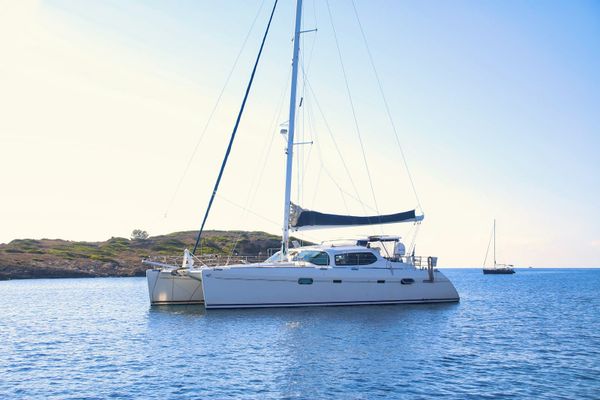
The best strategy is to mix it up: a couple of marina nights for provisioning and laundry, a few town quays for evening strolls and restaurant access, and as many nights on the hook as your ground tackle and temperament allow. Some of the finest spots on the coast — Brbinj bay on Dugi Otok, the coves on Vis's southwestern shore, the quiet bights inside the Kornati — are free and unforgettable.
Practical Notes
Provisioning is straightforward in Split, Zadar, and the larger island towns. Markets are excellent for produce, bread, and local cheese. Fuel docks are well-distributed along the coast, though in peak season you may queue.
The bora (bura) is the wind to respect here — a cold, gusty northeast wind that can descend without much warning, especially in spring and autumn. When a bora is forecast, get into a well-sheltered spot with good holding and don't plan on going anywhere. The jugo (sirocco) from the southeast builds more gradually and brings cloud and rain but is generally manageable with good sea room.
Holding is variable. Many popular anchorages have a weed-over-rock bottom that can be tricky. A good all-round approach is a modern anchor design (Mantus, Ultra, or similar) with adequate scope and a reliable snubber. Back down firmly and dive on the anchor if conditions warrant.
The Bottom Line
Croatia delivers a cruising experience that rivals anywhere in the Mediterranean, at a lower cost than the south of France or the western Italian coast. The infrastructure is modern, the charts are accurate, the people are welcoming, and the coastline is staggeringly beautiful. Get the timing right, pick your route thoughtfully, and you'll understand why so many boats that visit once end up coming back every season.